From detecting heart risks earlier in pregnancy to identifying lifestyle changes that may help prevent Alzheimer’s disease, researchers across Illinois and Wisconsin are advancing care for patients at every stage of life.

The work, led by clinicians and scientists at Advocate Health – and its academic core, Wake Forest University School of Medicine – highlights how research is being translated into real-world improvements for patient diagnosis, treatment and support. 

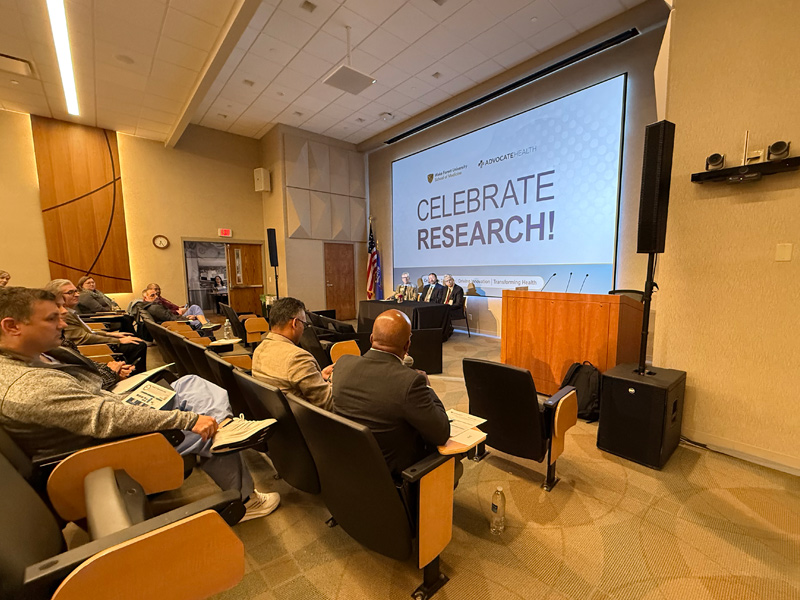
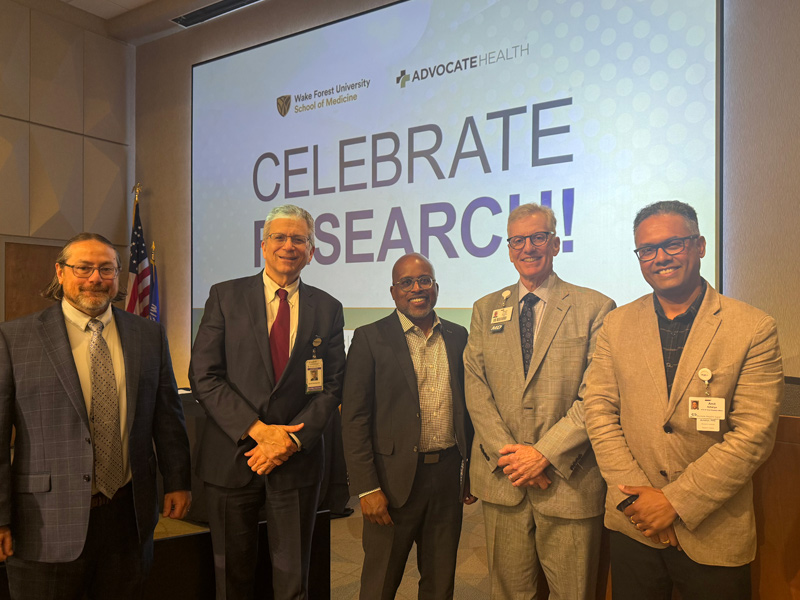
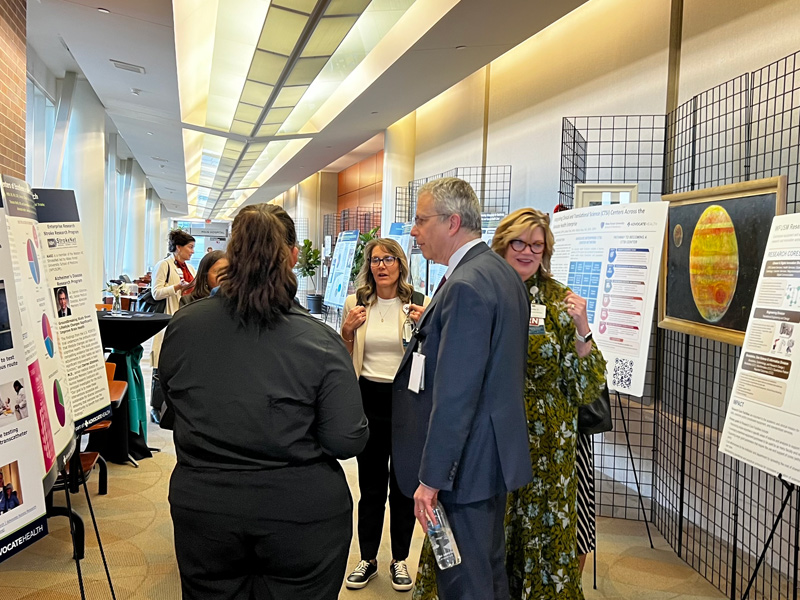
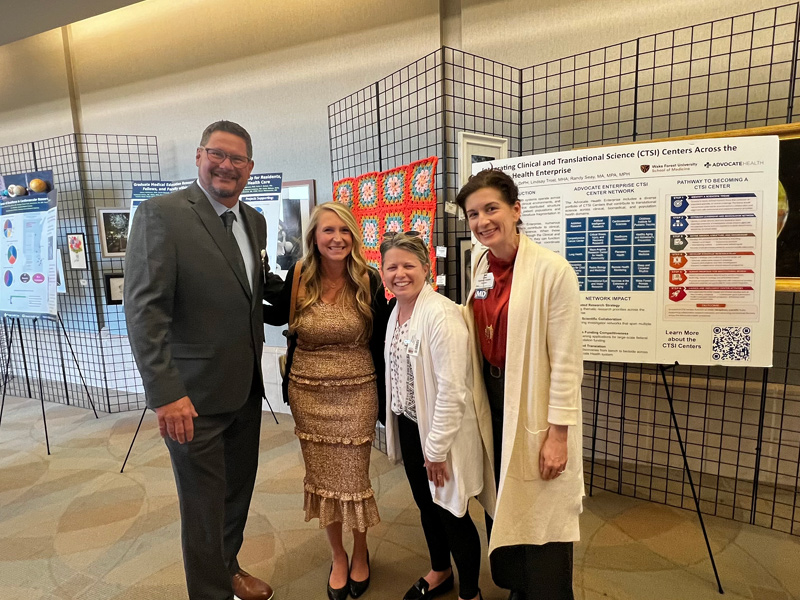
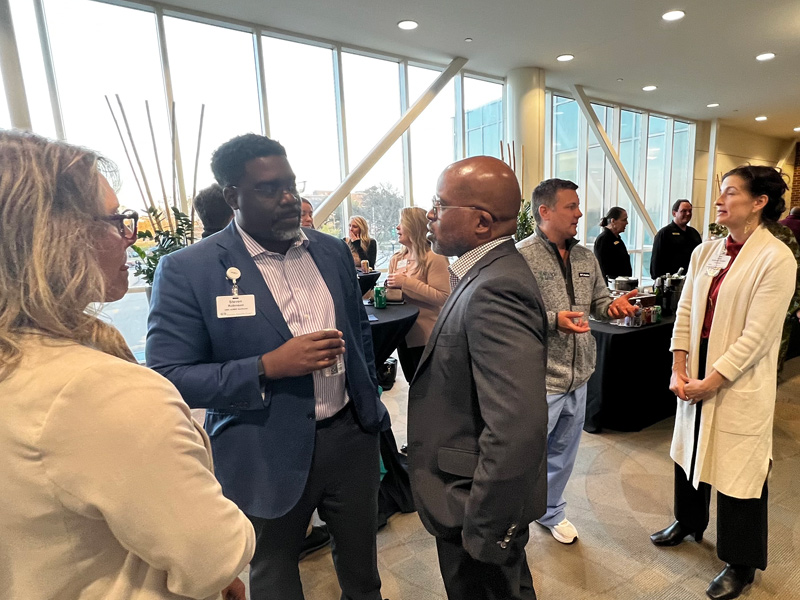
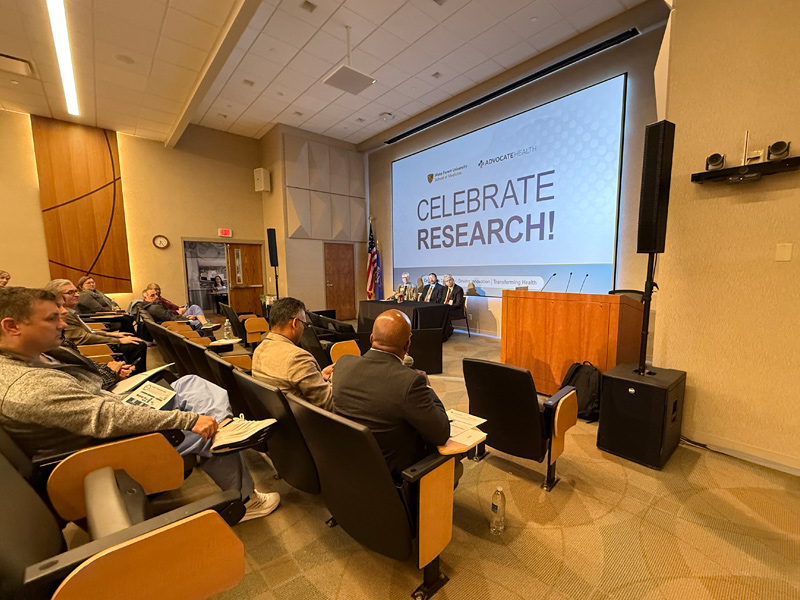
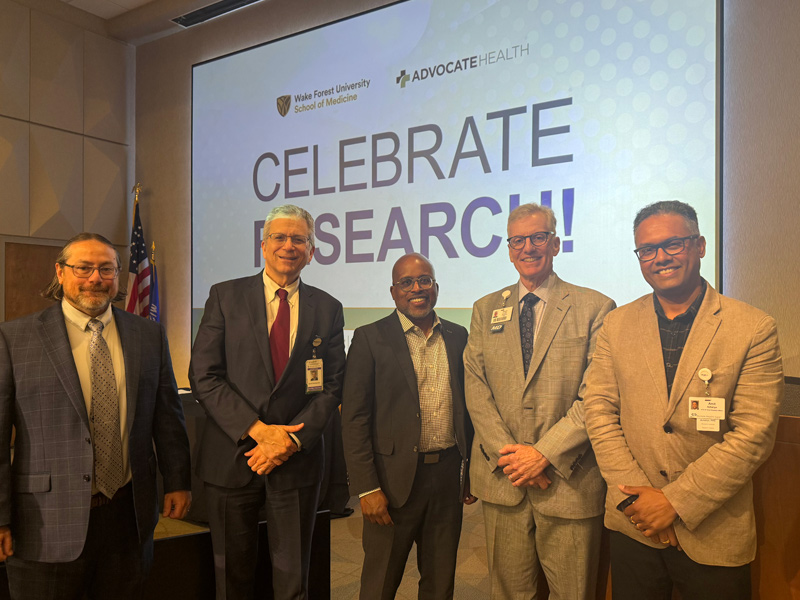
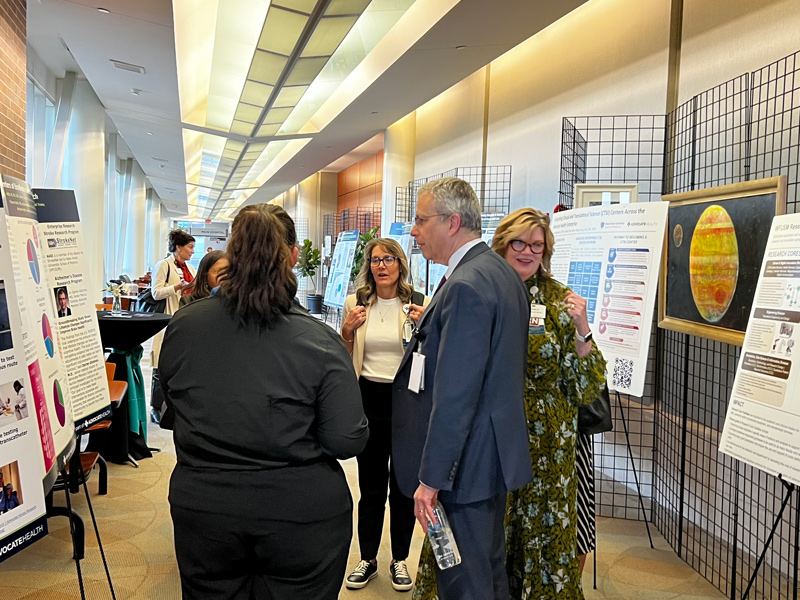
Throughout April, panels convened as part of the “Celebrate Research!” program at the School of Medicine’s two campuses, as well as at sites in Illinois and Wisconsin, to showcase work across the enterprise, impacting the future of care in many healthcare specialties and bolstering Advocate Health’s commitment to discovery.

The events in the Midwest featured the ongoing collaboration between clinicians in Illinois and Wisconsin and researchers at the School of Medicine. The theme of the two panels — maternal health/pediatrics and neuroscience/aging — emphasized how this work has the potential to provide valuable insight and improve lives from as early as conception into the later years of life. (Read more about featured Celebrate Research events at the School of Medicine’s two campuses in North Carolina.)

Maternal and Pediatric Health: Shaping Tomorrow’s Care

During a panel focused on prenatal and pediatric care, gathered at Advocate Christ Medical Center in Oak Lawn, Illinois, Midwest-based experts outlined ongoing research to advance care for mothers, children and families.

“We know that when we improve the health of mothers and babies, we’re strengthening the health of the entire community,” said Ebony Boulware, M.D., M.P.H., chief academic officer and dean of the School of Medicine, in kicking off the event. “Collaboration is key to this work. It requires scientists, clinicians and families to all come together.”

The panel illustrated how the School of Medicine is turning that concept into action. Cheryl Lefaiver, Ph.D., R.N., director of the Center for Child and Family Research and assistant professor of pediatrics at Wake Forest University School of Medicine moderated the panel.

  Cheryl Lefaiver, Ph.D., R.N.

“Part of being in an academic learning health system is to continuously learn from routine clinical care, apply it back to our care and disseminate what we learn…so we can solve real health problems.”

- Cheryl Lefaiver, Ph.D., R.N.
Director of the Center for Child and Family Research
Assistant professor of pediatrics at Wake Forest University School of Medicine

Rachel Harrison, M.D., maternal-fetal medicine physician at Advocate Christ and associate professor at the School of Medicine, provided an overview of past and ongoing study into complications affecting pregnant women and their babies, including preeclampsia and the impact of pregnancy on mothers’ cardiovascular health.

When a woman is pregnant, there’s a significant strain on the cardiovascular system, Harrison said. Blood volume and heart rate increase; the heart is working harder. So, it’s important for mothers’ care teams to assess cardiovascular risk factors.

Advocate clinical teams are using a tool that makes sure clinicians are asking mothers about their cardiovascular risk factors and symptoms, which aren’t always obvious, she said. If a patient meets certain criteria in the tool, they’ll be referred for additional monitoring in their pregnancy. The team is planning to apply for a grant to assess the implementation of the tool.
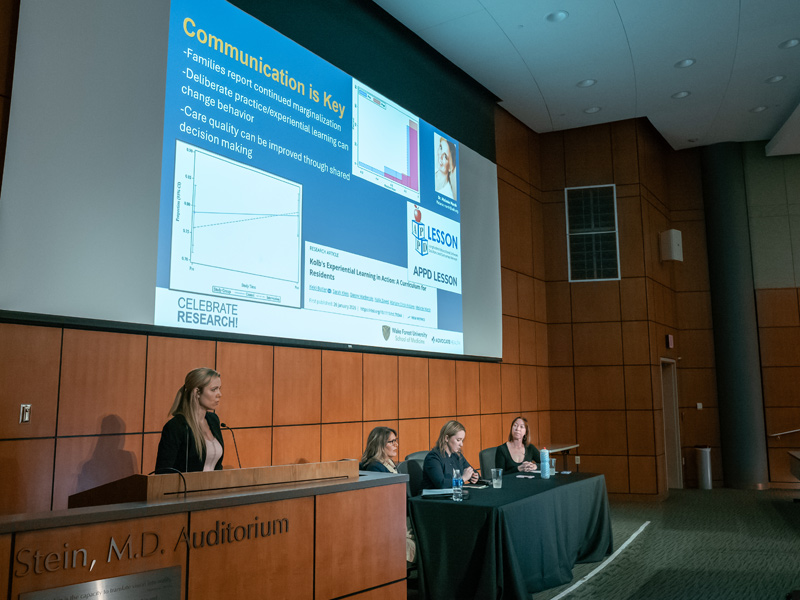

 
image text
image text
image text
image text
image text
image text
image text
image text
image text


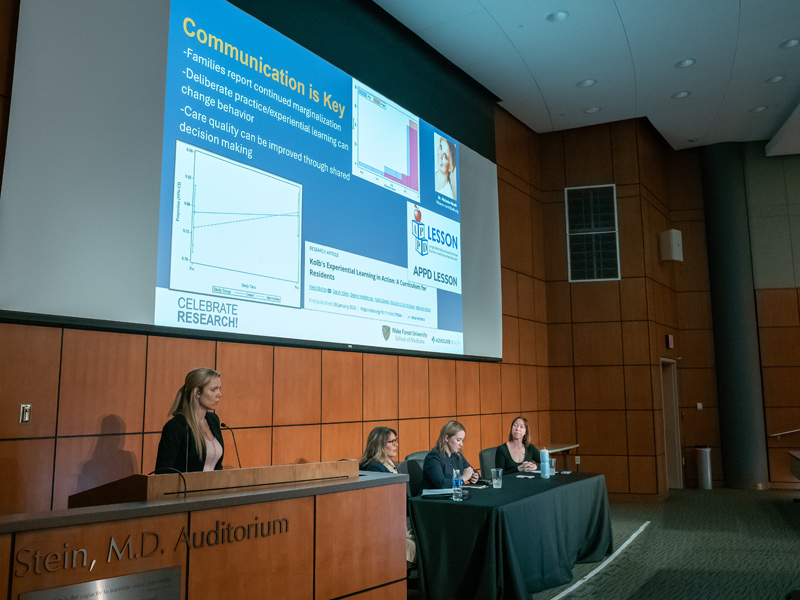
Melanie Marsh, M.D., physician at Advocate Children’s Hospital in Illinois and assistant professor at the School of Medicine, shared her work that focuses on communication between families and clinicians, along with the importance of diagnostic certainty — all impacting the patient and family experience, along with outcomes.

The latter involved a recently published study led by Marsh as part of the Advocate Aurora Research Institute that found renal ultrasounds performed too early on young children hospitalized for urinary tract infections could result in false positives, causing additional and unnecessary tests and stress and fear for the children and their families.

The study’s findings could also help update standards of care for pediatricians for UTIs, a common infection affecting children. Sites across Advocate Health’s footprint contributed data to the study.

Veronica Fitzpatrick, Dr.Ph., M.P.H., research scientist at Advocate Aurora Research Institute and associate professor at the School of Medicine, shared her work that examines what contributes to children missing routine checkups. So-called “well child visits” are vital in the early months and years of life, Fitzpatrick said, and her work is dedicated to investigating why families miss appointments and/or do not understand the importance.

There are various reasons, she’s found when directly interviewing families, including transportation, needing time off work, lack of childcare for siblings, health insurance gaps and more, but additionally, “communication is a huge reason,” Fitzpatrick said.

For example, there’s a lack of understanding between providers and patients about the differences between sick visits and well visits, what the data provided to parents about their child means and other factors.

To solve this, Fitzpatrick and her team are developing tools to pilot in pediatric clinics that fill in these information gaps. They hope this leads to more preventative care for children, which in turn improves vaccination rates and the overall health of the child and family.

Transforming Neurology Through Discovery

In the second Midwest “Celebrate Research!” panel, speakers detailed years of neurological research and patient care.

Darren Gitelman, M.D., medical director of research for neuroscience, senior medical director of the Advocate Memory Center at Advocate Lutheran General Hospital in Park Ridge, Illinois, and professor of neurology at the School of Medicine provided an overview of the variety of research related to Alzheimer's disease.

These past and ongoing studies and clinical trials look at several factors: Diagnosis of the disease and biomarkers, genetics, lifestyle and medical interventions, among other aspects in the work to diagnose, prevent, treat, and eventually, find a cure.

 
image text
image text
image text
image text
image text
image text
image text


“Patients are why we do everything in research,” Gitelman said. And these patients represent those who have a diagnosis of Alzheimer's, but also those who do not, but have a family history or risk factors.

Those with risk factors were the focus of the U.S. POINTER clinical trial, which was the first to show lifestyle changes can protect cognitive function. Gitelman, Advocate Aurora Research Institute's site principal investigator for the trial, explained how these accessible actions can help those who know they could be at risk for cognitive decline, or the children of those already diagnosed with Alzheimer’s.

Gitelman also said the large, two-year clinical trial was the “highlight” of his career and shows the benefits of being part of a large health system when it comes to participating in clinical trials.

Other Alzheimer’s research looks at how amyloid antibody treatment can impact early Alzheimer’s disease, studies targeting prevention and treatment of genetic forms of Alzheimer’s disease, and the use of statin drugs for prevention in older adults.

Thomas Wolfe, M.D., medical director for stroke and neurointerventional services at Aurora St. Luke’s Medical Center in Milwaukee, Wisconsin., also shared his budding research that examines shunt versus stent treatment for venous sinus narrowing and intracranial hypertension — conditions that occur when pressure from spinal fluid builds up in the brain. This can result in stroke, hemorrhage and many other issues.

Wolfe began to study this after one of his own patients opted to be treated with a shunt when a stent would’ve been the typical treatment and did well. The team has now compiled a small sample of patients and is looking to further the study.

Gitelman said the focus placed on research throughout the enterprise is vital. While emphasis is always on patient care, clinicians are also participating in research.
“The culture at Advocate Health now is geared toward research because that is so important,” he said. “This is for the future.”