
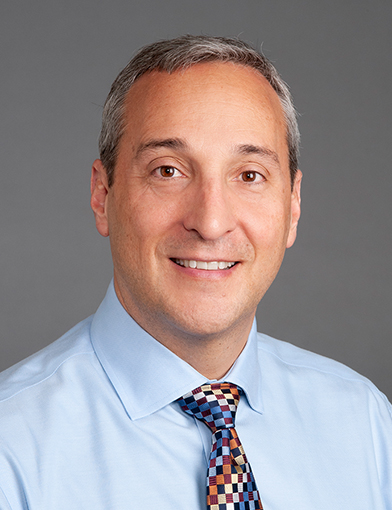
Adam J. Katz, MD, FACS
Dr. Adam Katz is an Associate Professor of Plastic and Reconstructive Surgery at Wake Forest University School of Medicine and serves as Director of the Plastic Surgery Research Lab at Atrium Health Wake Forest Baptist. He holds adjunct appointments in Biomedical Engineering and Regenerative Medicine and is internationally recognized for his pioneering work in adipose-derived cell therapies and tissue regeneration.
His academic career includes leadership roles at the University of Virginia and the University of Florida, where he directed laboratories dedicated to translational therapeutics and bio-innovation before joining Wake Forest in 2019 as the Michael J. Morykwas Endowed Professor.
Dr. Katz’s research centers on the biology and clinical application of adipose-derived stromal cells (ASCs), bridging bench science with clinical practice. He has led numerous NIH-funded projects and published extensively on topics such as fat grafting, scar remodeling, and tissue engineering. Recent studies include randomized clinical trials demonstrating improved fat graft retention using autologous stromal cells, investigations into scaffold-based delivery systems for dermal repair, and development of preclinical models to study microvascular aging and stem cell fate.
Beyond academia, Dr. Katz co-founded the International Federation for Adipose Therapeutics and Science (IFATS) and served as its president, shaping global standards for adipose-based therapies. He is also the founder of GID BIO, Inc., a company focused on point-of-care regenerative technologies. His research and publications have not only shaped clinical practice but also accelerated translational research, bridging laboratory discoveries with patient care. They continue to serve as foundational references for surgeons, scientists, and innovators in regenerative medicine.
His academic career includes leadership roles at the University of Virginia and the University of Florida, where he directed laboratories dedicated to translational therapeutics and bio-innovation before joining Wake Forest in 2019 as the Michael J. Morykwas Endowed Professor.
Dr. Katz’s research centers on the biology and clinical application of adipose-derived stromal cells (ASCs), bridging bench science with clinical practice. He has led numerous NIH-funded projects and published extensively on topics such as fat grafting, scar remodeling, and tissue engineering. Recent studies include randomized clinical trials demonstrating improved fat graft retention using autologous stromal cells, investigations into scaffold-based delivery systems for dermal repair, and development of preclinical models to study microvascular aging and stem cell fate.
Beyond academia, Dr. Katz co-founded the International Federation for Adipose Therapeutics and Science (IFATS) and served as its president, shaping global standards for adipose-based therapies. He is also the founder of GID BIO, Inc., a company focused on point-of-care regenerative technologies. His research and publications have not only shaped clinical practice but also accelerated translational research, bridging laboratory discoveries with patient care. They continue to serve as foundational references for surgeons, scientists, and innovators in regenerative medicine.
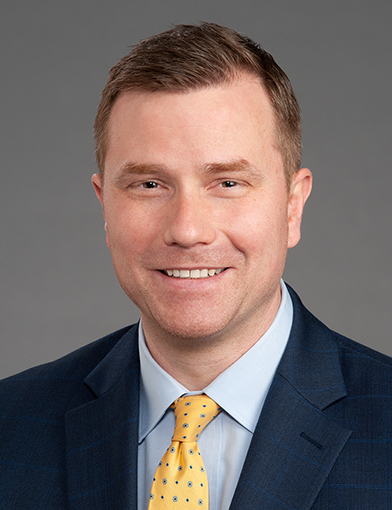
Bennett White Calder, MD
Dr. Bennett Calder’s academic and clinical career reflects a deep commitment to advancing surgical techniques and improving patient outcomes in plastic and reconstructive surgery. After completing rigorous training in general and plastic surgery, Dr. Calder transitioned seamlessly into a role that blends clinical excellence with scholarly inquiry.
His research portfolio demonstrates a focus on practical innovation and patient safety. Dr. Calder’s research interests center on improving surgical safety, refining operative techniques, and enhancing patient outcomes. His publications and projects reflect a commitment to evidence-based practice and surgical education. In his project “Evaluation of Novel Biomaterials for Soft Tissue Reconstruction” he investigated biocompatibility and long-term integration of synthetic scaffolds for soft tissue repair, aiming to reduce complications and improve aesthetic outcomes. He also worked on “Clinical Outcomes of Negative Pressure Wound Therapy in Complex Surgical Cases” whose objective was to determine the impact of advanced negative pressure wound therapy (NPWT) systems on healing rates and infection control. The study focused on patients undergoing complex reconstructive procedures and evaluated NPWT as an adjunct to standard care for optimizing wound closure.
In addition to his research portfolio, Dr. Calder has authored and co-authored numerous peer-reviewed publications and conference presentations. These works highlight key findings from his research including advancements in surgical methodologies and translational applications of biomedical engineering principles. His publications have appeared in leading journals in Plastic & Reconstructive surgery.
Dr. Calder’s contributions have not only supported the department’s research mission but also fostered collaborative efforts across disciplines, integrating clinical practice with cutting-edge scientific inquiry. Dr. Calder has positioned himself as a thought leader in reconstructive innovation – bridging evidence-based practice with technical mastery. His work not only enhances surgical precision but also reflects a broader mission; to elevate patient care through research-driven improvements in safety, efficiency, and aesthetic outcomes.
His research portfolio demonstrates a focus on practical innovation and patient safety. Dr. Calder’s research interests center on improving surgical safety, refining operative techniques, and enhancing patient outcomes. His publications and projects reflect a commitment to evidence-based practice and surgical education. In his project “Evaluation of Novel Biomaterials for Soft Tissue Reconstruction” he investigated biocompatibility and long-term integration of synthetic scaffolds for soft tissue repair, aiming to reduce complications and improve aesthetic outcomes. He also worked on “Clinical Outcomes of Negative Pressure Wound Therapy in Complex Surgical Cases” whose objective was to determine the impact of advanced negative pressure wound therapy (NPWT) systems on healing rates and infection control. The study focused on patients undergoing complex reconstructive procedures and evaluated NPWT as an adjunct to standard care for optimizing wound closure.
In addition to his research portfolio, Dr. Calder has authored and co-authored numerous peer-reviewed publications and conference presentations. These works highlight key findings from his research including advancements in surgical methodologies and translational applications of biomedical engineering principles. His publications have appeared in leading journals in Plastic & Reconstructive surgery.
Dr. Calder’s contributions have not only supported the department’s research mission but also fostered collaborative efforts across disciplines, integrating clinical practice with cutting-edge scientific inquiry. Dr. Calder has positioned himself as a thought leader in reconstructive innovation – bridging evidence-based practice with technical mastery. His work not only enhances surgical precision but also reflects a broader mission; to elevate patient care through research-driven improvements in safety, efficiency, and aesthetic outcomes.
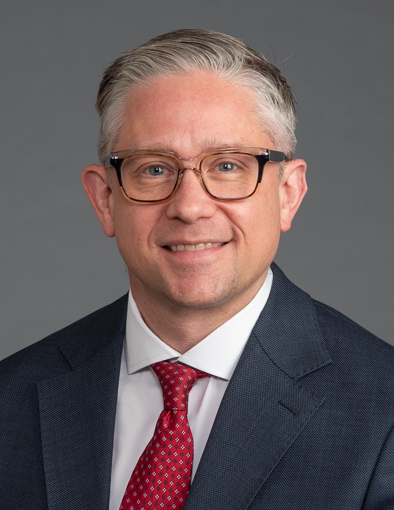
Christopher Michael Runyan, MD, PhD
Dr. Christopher Runyan is an Associate Professor and Vice Chair in the Department of Plastic & Reconstructive Surgery and serves as Program Director for the Integrated Plastic Surgery Residency. He is a nationally recognized leader in craniofacial and pediatric plastic surgery whose work bridges clinical innovation and translational research. His research centers on improving outcomes in craniofacial reconstruction and advancing regenerative strategies for complex bone defects.
Dr. Runyan’s research focuses on improving outcomes in craniofacial reconstruction and advancing regenerative strategies for complex bone defects. Key areas include bone regeneration and distraction osteogenesis for conditions such as Pierre Robin sequence and craniosynostosis, tissue engineering and biomaterials development-particularly 3D-printed bioceramic scaffolds for craniomaxillofacial repair-clinical outcomes research on minimally invasive craniosynostosis techniques, and global cleft care initiatives.
Recent contributions highlight his leadership in innovation: introducing the Occipital Bullet Index to quantify sagittal craniosynostosis deformities, advancing scaffold design for bone tissue engineering, and publishing multicenter studies on minimally invasive craniosynostosis surgery and mandibular distraction osteogenesis. Earlier work includes long-term outcome studies of spring-assisted craniosynostosis surgery and investigations into cleft care delivery models.
Dr. Runyan has authored more than 50 peer-reviewed publications, with an h-index of 24 and over 2400 citations. His scholarship spans basic science, biomaterials engineering, and clinical practice, shaping the future of craniofacial surgery and regenerative medicine. He is a frequent speaker at international conferences and an advocate for comprehensive cleft care globally.
Dr. Runyan’s research focuses on improving outcomes in craniofacial reconstruction and advancing regenerative strategies for complex bone defects. Key areas include bone regeneration and distraction osteogenesis for conditions such as Pierre Robin sequence and craniosynostosis, tissue engineering and biomaterials development-particularly 3D-printed bioceramic scaffolds for craniomaxillofacial repair-clinical outcomes research on minimally invasive craniosynostosis techniques, and global cleft care initiatives.
Recent contributions highlight his leadership in innovation: introducing the Occipital Bullet Index to quantify sagittal craniosynostosis deformities, advancing scaffold design for bone tissue engineering, and publishing multicenter studies on minimally invasive craniosynostosis surgery and mandibular distraction osteogenesis. Earlier work includes long-term outcome studies of spring-assisted craniosynostosis surgery and investigations into cleft care delivery models.
Dr. Runyan has authored more than 50 peer-reviewed publications, with an h-index of 24 and over 2400 citations. His scholarship spans basic science, biomaterials engineering, and clinical practice, shaping the future of craniofacial surgery and regenerative medicine. He is a frequent speaker at international conferences and an advocate for comprehensive cleft care globally.
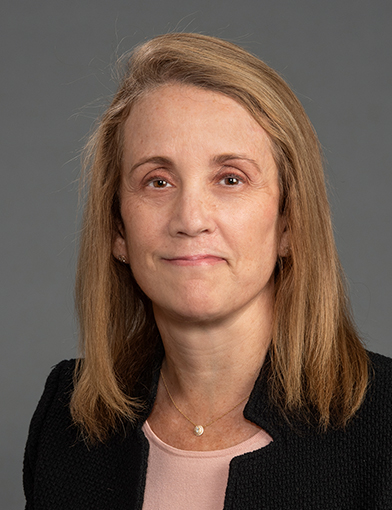
Lisa Renee David, MD, MBA
Over the past several years, the Department of Plastic and Reconstructive Surgery has advanced its research portfolio through innovative projects addressing clinical outcomes, patient experiences, and surgical techniques. Dr. Lisa David has played a pivotal role in these efforts, leading and contributing to studies that not only improve patient care, but also shape the future of Plastic Surgery Education and practice. This section highlights key research initiatives from 2020 to the present, reflecting a commitment to evidence-based practice and continuous improvement.
Dr. David’s research spans multiple domains with plastic surgery. A significant focus has been on cosmetic surgery outcomes and patient perceptions. The Outcome Analysis of Resident Cosmetic Clinic examined complications in cosmetic procedures over a thirteen-year period, providing insights into safety and quality improvement. Similarly, the Venous Thromboembolism Risk Assessment Model for Cosmetic Procedures analyzed risk factors associated with abdominoplasty and panniculectomy, comparing single and combined procedures to guide safer surgical practices. Public attitudes toward resident-run clinics were explored in the Public Perceptions of Resident Cosmetic Clinic study, which assessed awareness and willingness to seek care in these settings through large-scale electronic surveys.
Craniofacial research has also been a major component of Dr. David’s work. The Appraisal of Provision, Utilization and Outcomes of Cleft Care developed scalable methods for evaluating cleft care delivery in North Carolina, in collaboration with Duke University. Long-term neurodevelopmental outcomes following craniosynostosis surgery are being studied to understand the cognitive and psychological impact of different surgical techniques. Additionally, a multi-center retrospective study is investigating secondary synostosis after spring-assisted surgery, aiming to refine treatment protocols for sagittal synostosis.
Innovation in surgical devices and techniques is evident in projects such as the Evaluation of a Novel Sutureless Drain Securement Device, which compares a Sutureless system to traditional methods for improved safety and efficiency. Another ongoing study explores the use of rib allografts as tissue expanders for cleft lip and palate patients, offering potential advancement in reconstructive strategies.
Educational and global health initiatives have also shaped Dr. David’s research agenda. The COVID 19 pandemic prompted the Plastic Surgery Training Programs Response to the COVID-19 Epidemic study, which examined how residency programs adapted to unprecedented challenges. Further, the Global Health Influence on Independent Clinical Practice project evaluates the impact of international health experiences on residents’ perspectives and future practice patterns.
Postoperative Care and patient experience remain central themes. Research on pain management after breast reduction surgery seeks to optimize narcotic prescribing practices and assess the impact of regulatory changes such as the STOP Act. Another study investigates how primary language influences patient satisfaction with breast reconstruction, highlighting the importance of cultural and linguistic considerations in care delivery.
Emerging topics include the potential for immune resistance to long-term botulinum toxin treatments, as well as studies addressing macromastia related headaches and postoperative outcomes. These projects underscore Dr. David’s dedication to advancing evidence-based practice and improving patient care across multiple dimensions of plastic surgery.
Dr. David’s research contributions from 2020 to the present demonstrate a broad and impactful approach to advancing plastic and reconstructive surgery. By addressing clinical challenges, innovating surgical techniques, and exploring patient-centered outcomes, these studies provide a foundation for improved care and future innovation. The work reflects a commitment to excellence in research and education, ensuring that the department remains at the forefront of surgical advancement.

Ramon Llull, MD, PhD
Drs. Katz and Dr. Ramon Llull identified a subset of cells within adipose tissue that possess the remarkable capacity to divide, differentiate, and interact with various cell types. This discovery was pivotal in the emerging field of regenerative “Adipology", positioning these abundant and accessible cells as a promising resource for cell therapies and complex tissue engineering in structural tissues. Dr. Llull employs a wide array of tools to pursue his goal of changing the way we heal.
He addresses the challenges associated with regenerating injured tissues and developing new tissues, both ex-vivo and in-vivo under a new paradigm of "complex tissue engineering." His work aims to advance microsurgical techniques to facilitate the integration of newly developed tissues with host and recipient tissues. Additionally, he is focused on modulating inflammatory and immunological responses to various challenges—both biological and non-biological—through an evolving surgical discipline he refers to as "Immunosurgery."
This discipline is closely tied to understanding and managing tissue equilibrium and stress responses. Dr. Llull is particularly interested in the final stage of tissue aging, which he terms “Senescience.” He aims to explore how surgeons can harness knowledge of tissue aging to benefit patients.
His vision extends to training the next generation of plastic surgeons, those who not only address the injuries caused by birth, trauma, or disease but also work to rebuild and rejuvenate our aging bodies. As boisterous as this may read, Dr. Llull approaches this humbling mission with a pinch of humor and lots of hopes to inspire a sense of purpose in those he mentors.
He addresses the challenges associated with regenerating injured tissues and developing new tissues, both ex-vivo and in-vivo under a new paradigm of "complex tissue engineering." His work aims to advance microsurgical techniques to facilitate the integration of newly developed tissues with host and recipient tissues. Additionally, he is focused on modulating inflammatory and immunological responses to various challenges—both biological and non-biological—through an evolving surgical discipline he refers to as "Immunosurgery."
This discipline is closely tied to understanding and managing tissue equilibrium and stress responses. Dr. Llull is particularly interested in the final stage of tissue aging, which he terms “Senescience.” He aims to explore how surgeons can harness knowledge of tissue aging to benefit patients.
His vision extends to training the next generation of plastic surgeons, those who not only address the injuries caused by birth, trauma, or disease but also work to rebuild and rejuvenate our aging bodies. As boisterous as this may read, Dr. Llull approaches this humbling mission with a pinch of humor and lots of hopes to inspire a sense of purpose in those he mentors.
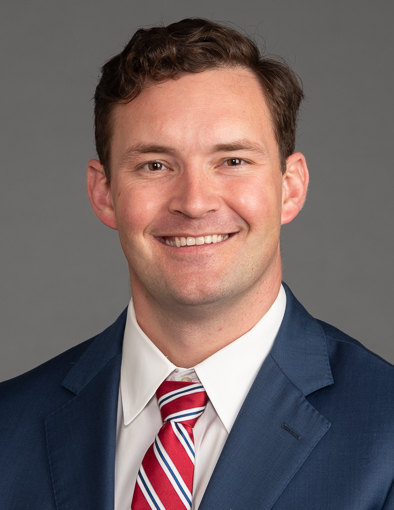
Thomas Norman Steele, MD
Currently serving as Assistant Professor at Atrium Health Wake Forest Baptist, Dr. Thomas Steele’s clinical focus includes autologous breast reconstruction, facial reanimation, and aesthetic surgery of the face and body. His research contributions span innovative approaches to microsurgical breast reconstruction, surgical outcomes analysis, and the role of social media in medical education. He has published in leading journals such as Journal of Clinical Medicine, The American Surgeon, and Archives of Plastic Surgery, and actively participates in advancing techniques that improve patient outcomes and quality of life.
Dr. Steele is currently working on a few projects, one being the “ADORA Trial – an open-label study of ARTIA Reconstructive Tissue Matrix in Implant-Based Two-Stage Prepectoral Breast Reconstruction Immediately Post-Mastectomy.” Another regarding “Disparities in lower extremity microsurgical reconstruction – classifying patient, geographical, and system-level factors.” Lastly, Dr. Steele has worked on “Venous thromboembolism prophylaxis in microvascular free flap reconstruction.”
Dr. Steele has pioneered approaches in multi-flap microsurgical breast reconstruction, developed strategies to enhance aesthetic outcomes in complex mastectomy patterns, and contributed to the design and testing of novel surgical devices including Sutureless drain securement systems. His work emphasizes reducing operative complexity, improving patient safety, and advancing reconstructive options for challenging cases.
Dr. Steele is currently working on a few projects, one being the “ADORA Trial – an open-label study of ARTIA Reconstructive Tissue Matrix in Implant-Based Two-Stage Prepectoral Breast Reconstruction Immediately Post-Mastectomy.” Another regarding “Disparities in lower extremity microsurgical reconstruction – classifying patient, geographical, and system-level factors.” Lastly, Dr. Steele has worked on “Venous thromboembolism prophylaxis in microvascular free flap reconstruction.”
Dr. Steele has pioneered approaches in multi-flap microsurgical breast reconstruction, developed strategies to enhance aesthetic outcomes in complex mastectomy patterns, and contributed to the design and testing of novel surgical devices including Sutureless drain securement systems. His work emphasizes reducing operative complexity, improving patient safety, and advancing reconstructive options for challenging cases.