
The overarching mission of the Wake Forest Department of Plastic Surgery Research Laboratory is the generation and/or development of new knowledge, insights, or technology platforms that have the potential to advance the field of Plastic and Reconstructive Surgery, enhance the care and treatment of our patients, and/or enhance the education of students, residents and colleagues that are interested in, or currently engaged in Plastic Surgery training or practice.
Research in the then Section of Plastic and Reconstructive Surgery began in the mid-80’s under J. Connell Shearin, M.D. (Section Head), with a focus on immunomodulation in burns. Anthony DeFranzo, M.D. joined the faculty soon after, hired a laboratory technician, and began investigating his own research interests in microvascular anastomosis and peripheral nerve repair. At that point, there was a single research technician performing all the laboratory duties in a one room, 179 square foot lab.
Dr. Shearin left to pursue his career in private practice. In 1988, Dr. Louis Argenta was recruited from the University of Michigan to become Chair of the newly formed Department of Plastic and Reconstructive Surgery. Accompanying Dr. Argenta from the University of Michigan were Malcolm Marks, M.D. and Michael Morykwas, Ph.D., as the Director of Research of the department. As part of his recruitment package, the laboratory was expanded to 1,500 square feet.
Research interests expanded from Dr. DeFranzo’s microvascular and peripheral nerve projects to include studies on soft tissue expansion, fetal wound healing, burn injury, early analysis, and animal response to various texturing techniques for breast implants, and a variety of tissue culture studies. Our laboratory was amongst the pioneers in the use of cultured keratinocytes for clinical applications.
Soon after their arrival, Drs. Argenta and Morykwas began working on a vacuum-based method to accelerate the process of wound healing, which evolved into the commercial product The V.A.C., and led to the formation of negative pressure wound therapy (NPWT). A wide range of large animal studies related to V.A.C treatment were performed during the 1990’s. The University licensed KCI to commercially develop and sell The V.A.C., for which the University received royalties. A portion of these royalties were distributed to the inventing research laboratory. This ‘hard money’ allowed us to follow the results of previous projects and perform a wide variety of pilot studies. Because of the royalties from The V.A.C., we are quite possibly the best funded plastic surgery laboratory in the country.
Dr. Shearin left to pursue his career in private practice. In 1988, Dr. Louis Argenta was recruited from the University of Michigan to become Chair of the newly formed Department of Plastic and Reconstructive Surgery. Accompanying Dr. Argenta from the University of Michigan were Malcolm Marks, M.D. and Michael Morykwas, Ph.D., as the Director of Research of the department. As part of his recruitment package, the laboratory was expanded to 1,500 square feet.
Research interests expanded from Dr. DeFranzo’s microvascular and peripheral nerve projects to include studies on soft tissue expansion, fetal wound healing, burn injury, early analysis, and animal response to various texturing techniques for breast implants, and a variety of tissue culture studies. Our laboratory was amongst the pioneers in the use of cultured keratinocytes for clinical applications.
Soon after their arrival, Drs. Argenta and Morykwas began working on a vacuum-based method to accelerate the process of wound healing, which evolved into the commercial product The V.A.C., and led to the formation of negative pressure wound therapy (NPWT). A wide range of large animal studies related to V.A.C treatment were performed during the 1990’s. The University licensed KCI to commercially develop and sell The V.A.C., for which the University received royalties. A portion of these royalties were distributed to the inventing research laboratory. This ‘hard money’ allowed us to follow the results of previous projects and perform a wide variety of pilot studies. Because of the royalties from The V.A.C., we are quite possibly the best funded plastic surgery laboratory in the country.
As V.A.C. royalties accrued over time, the Department and the research enterprise expanded significantly. In 2006, the laboratory moved again, this time into space of approximately 8,500 square feet.
Laboratory Leadership
- Director: Adam J. Katz, MD, FACS
- Principal Investigators: Nicole Levi, PhD; Ramon Llull, MD, PhD
Research Staff
- Research Fellow: Li Tan, PhD
- Research Fellow: Lundrim Marku, MD (2025–2026)
- Research Associates: Hulan Shang, MS; Zhenlin Zheng, PhD
- Research Assistant: Juan Llull, MS
Graduate Students
- Spencer Phillips
- Mary Kathryn (MK) Hederick
Medical Student Intern
- Iris Brammer
Laboratory Team
- Mary Kearns – Supervisor, Research Laboratory
- April James
- Scott Northrup
- Kathini Meads
- Amir Idrisi
- Jacob Sweet
- Rebecca Roberson
Administrative Team
- Farren Adams – Business Manager
- Molly Fish – Research Administrative Coordinator I
Clinical Research
- Renea Jennings – Clinical Studies RN III
- Caleb Suggs – Clinical Studies Coordinator III
- Lola Santamaria – Clinical Studies Coordinator I
- Angie Myers – Clinical Studies Coordinator I
Research Leadership
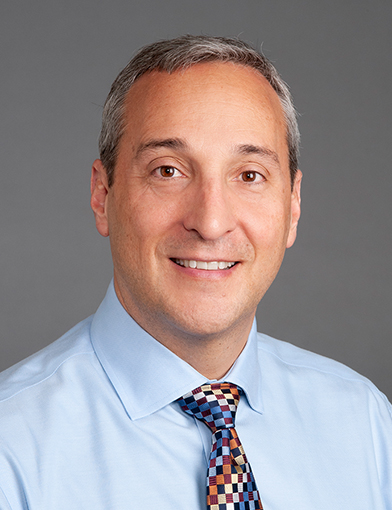
Adam J. Katz, MD, FACS
Professor, Plastic and Reconstructive Surgery (Winston-Salem)
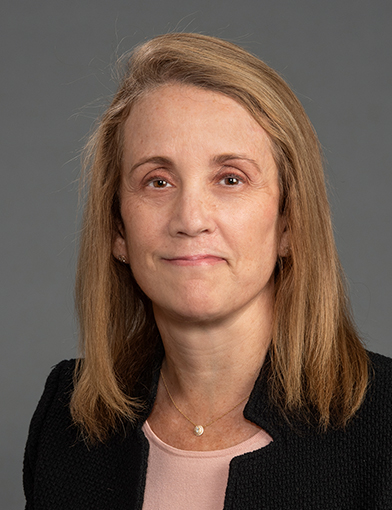
Lisa Renee David, MD, MBA
Chair, Plastic and Reconstructive Surgery (Winston-Salem)
Professor, Plastic and Reconstructive Surgery (Winston-Salem)
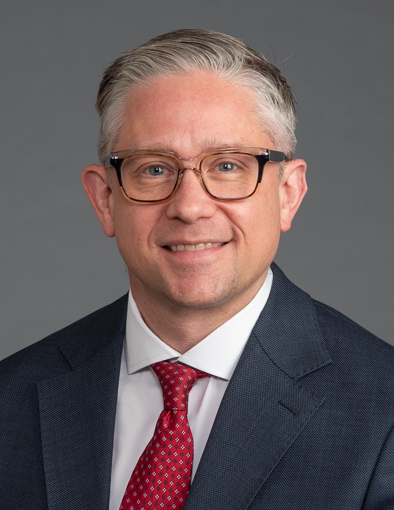
Christopher Michael Runyan, MD, PhD
Vice Chair, Wake Forest University School of Medicine
Director, Plastic and Reconstructive Surgery (Winston-Salem)
Associate Professor, Plastic and Reconstructive Surgery (Winston-Salem)
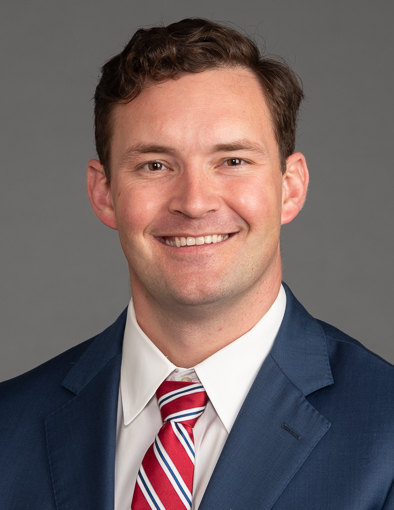
Thomas Norman Steele, MD
Assistant Professor, Plastic and Reconstructive Surgery (Winston-Salem)
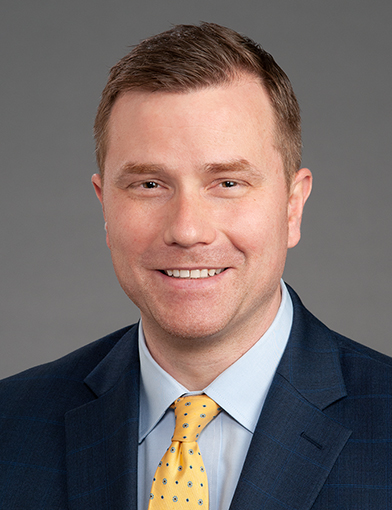
Bennett White Calder, MD
Assistant Professor, Plastic and Reconstructive Surgery (Winston-Salem)

Ramon Llull, MD, PhD
Associate Professor, Plastic and Reconstructive Surgery (Winston-Salem)