
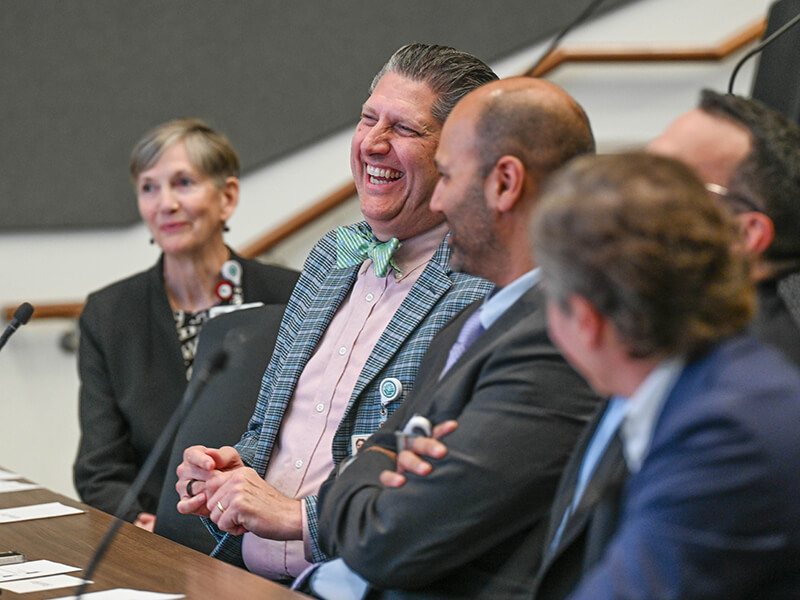
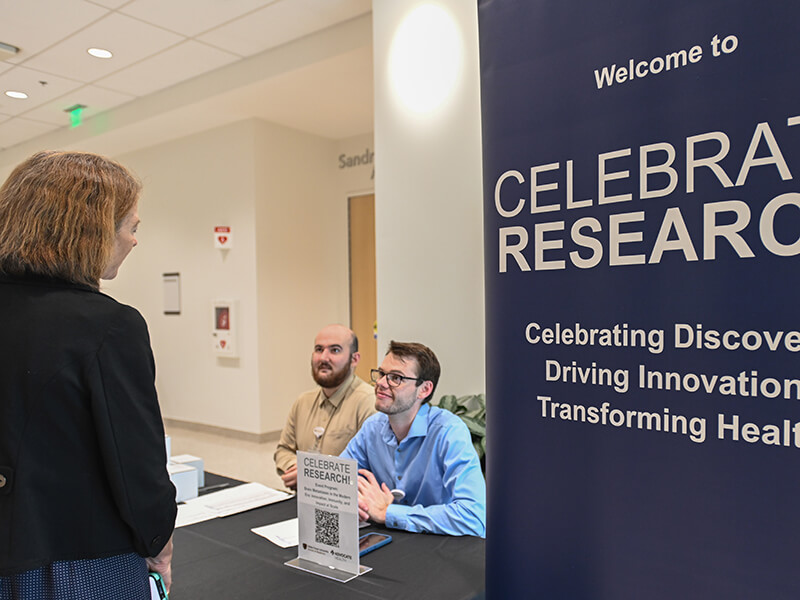
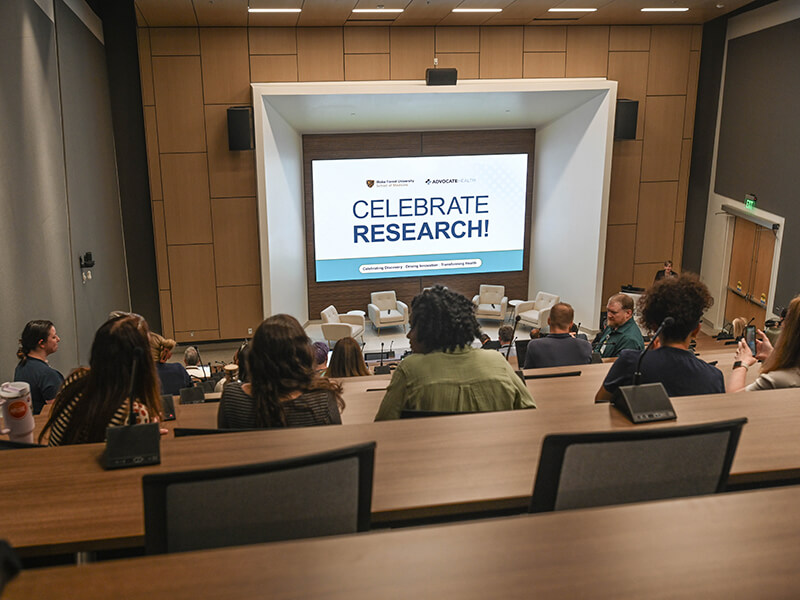
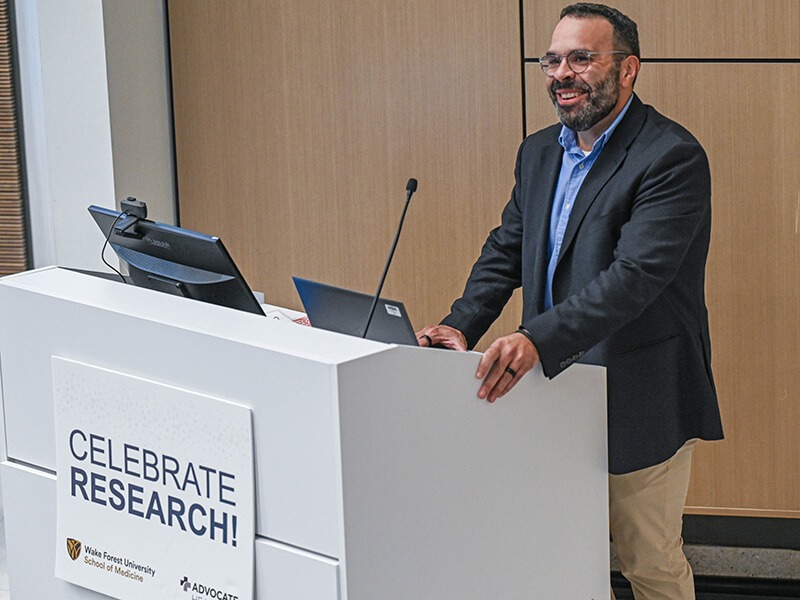
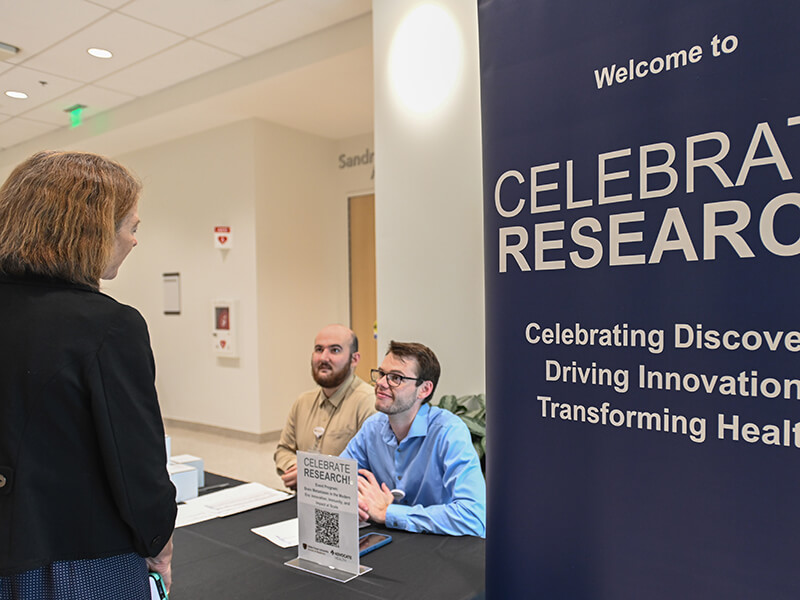
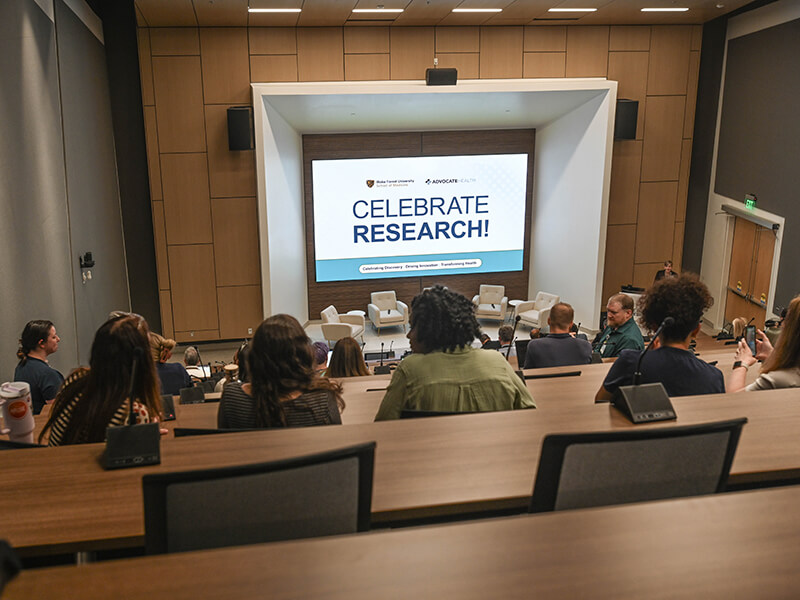
Brain metastases are the most common form of brain tumor and a leading cause of neurological morbidity, often limiting the success of otherwise effective systemic cancer therapies. This event highlighted groundbreaking research from across Wake Forest University School of Medicine’s campuses, bringing together experts in oncology, neuroscience, cancer biology, radiation therapy, neuroimaging, and related fields to explore how brain metastases are being detected, understood, and treated.
Researchers at Wake Forest University School of Medicine showcased innovative approaches to earlier detection of brain metastases, emerging treatment paradigms such as neoadjuvant radiosurgery, and research exploring the complex interplay between the immune system and the brain tumor microenvironment.
Together, these efforts addressed critical scientific questions with the potential to drive future breakthroughs in immunotherapy and precision medicine. The program highlighted pioneering institutional contributions that are helping shape national standards of care while illuminating the next frontiers in translational neuro-oncology.
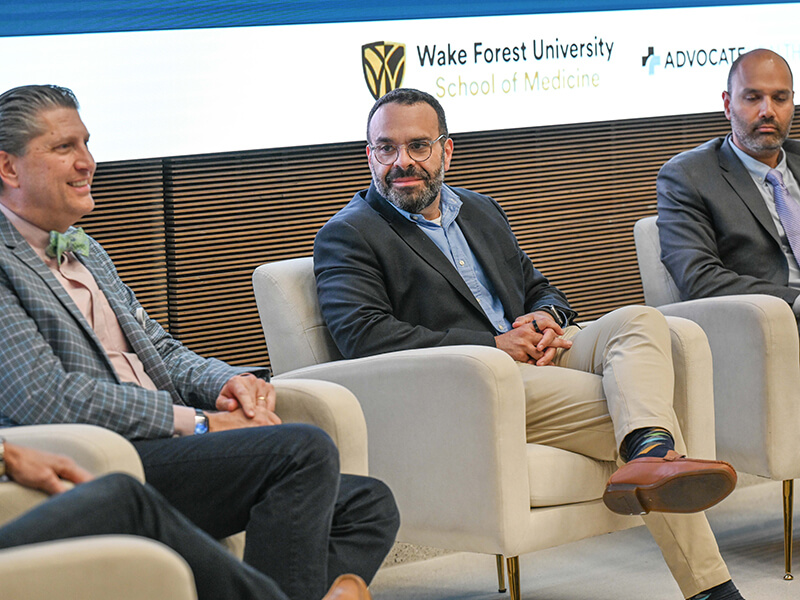
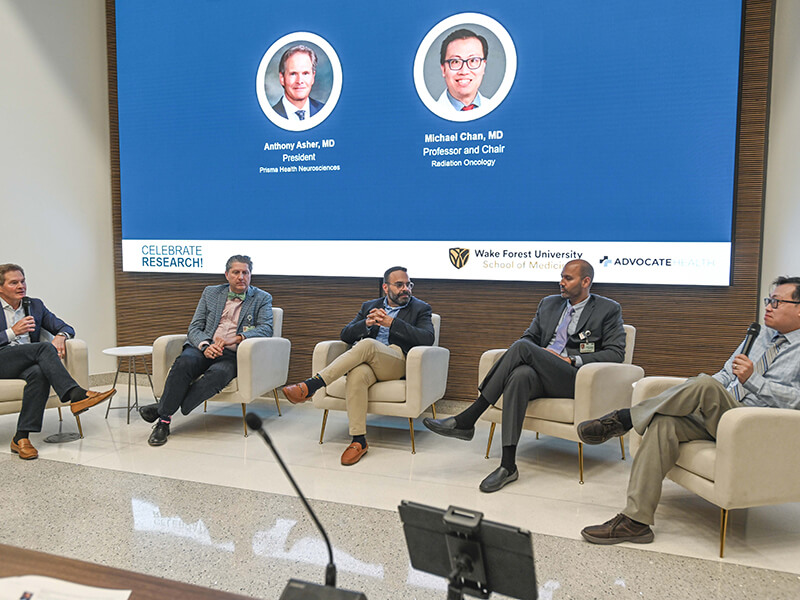
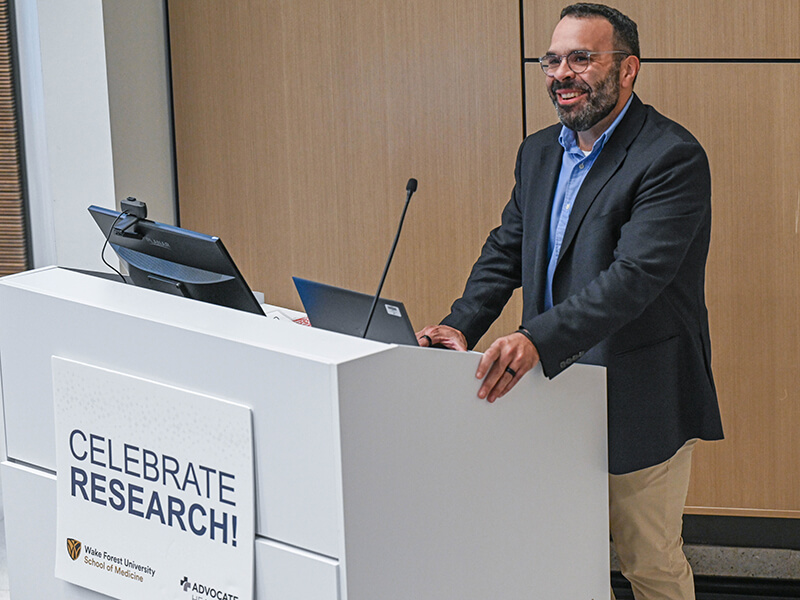
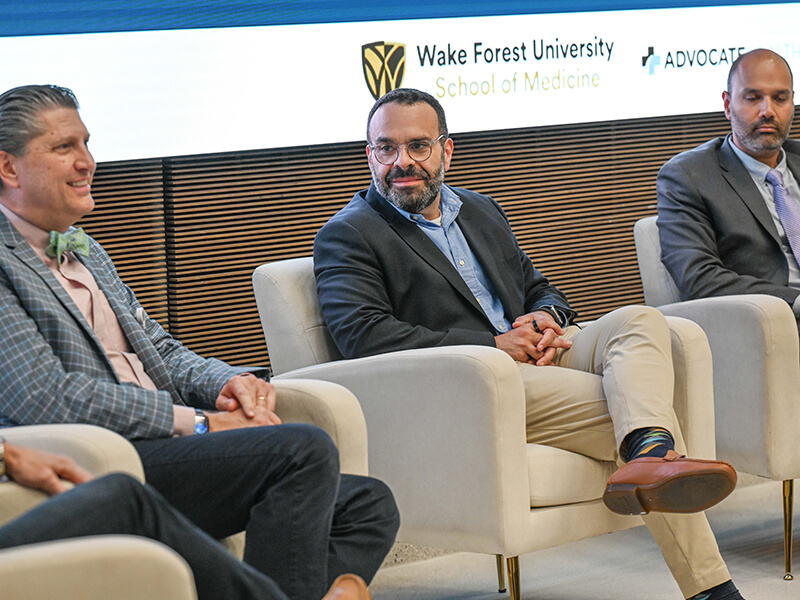
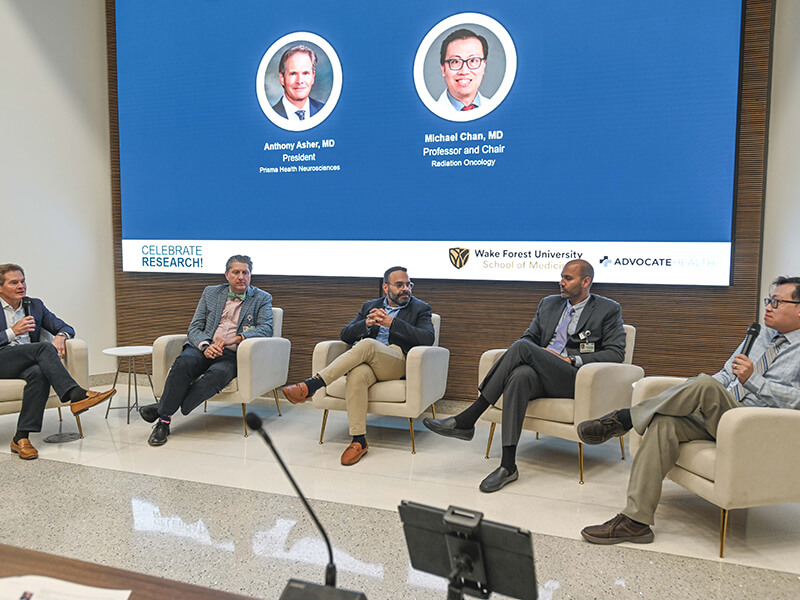
Speakers
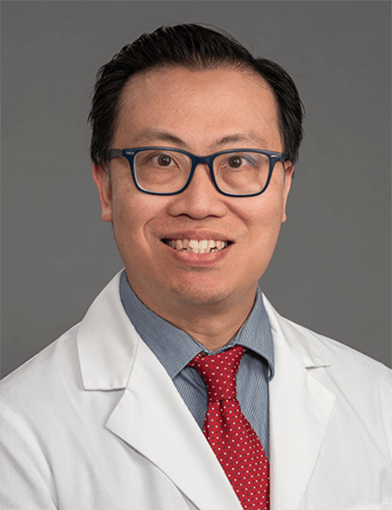
Professor and Chair of Radiation Oncology, Wake Forest University School of Medicine
Dr. Chan serves as the Chair of Radiation Oncology at Wake Forest University School of Medicine and is an internationally renowned expert on CNS malignancies, stereotactic radiosurgery, and radiation-induced cognitive decline. He has an extensive research portfolio in the use of radiosurgery in the treatment of brain metastases and has led to the discover of multiple biomarkers for brain metastasis behavior. Dr. Chan is Co-Principal Investigator of the CCTG CE7 study, and has also been PI of completed cooperative group studies including the NCORP Ramipril Study and the Wake Forest CCOP Armodafinil study. Additionally, he is a translational scientist who is presently working with machine learning algorithms to predict brain metastasis clinical outcomes.
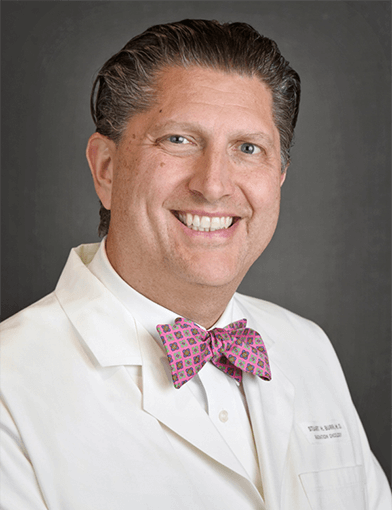
Adjunct Associate Professor, Radiation Oncology
Dr. Burri is the Chairman of Radiation Oncology for Atrium Health Levine Cancer. He completed his radiation oncology residency at Emory University. Dr. Burri is a recognized expert on the use of focused high dose radiation contributing to the seminal publications on the use of Stereotactic Body Radiosurgery (SBRT) for both lung and liver metastases. He helped pioneer the technique of pre-operative radiosurgery in the treatment of brain metastases which led to him being the National PI on the NRG BN012 trial. As part of this work, he published the first articles on pre-operative SRS as well as described a previously unrecognized form of leptomeningeal disease. He originated the standard of care setting trial on the use of radiosurgery without the use of whole brain radiation therapy. He has served on multiple guideline setting panels for ASTRO, ASCO, SNO, and the CNS.
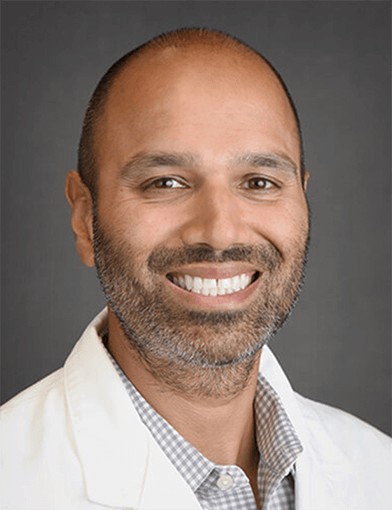
Adjunct Associate Professor, Radiation Oncology
Dr. Prabhu completed his radiation oncology residency and Masters in Clinical Research at Emory University. He specializes in CNS and pediatric malignancies. Dr. Prabhu is an international expert on stereotactic radiosurgery, treatment of brain metastases, classification and treatment of leptomeningeal disease, and helped to pioneer the paradigm of preoperative radiosurgery for brain metastases. He is a national leader on the current phase III trial NRG BN012 addressing this concept and is PI of an ongoing NRG approved concept investigated dose, timing, and fractionation of preoperative SRS. He also serves as Director of Radiation Oncology Research for the Charlotte campus and medical director of the Proton and Advanced Radiation Center (PARC) in Charlotte, NC where he oversees proton, Gamma Knife, and radiopharmaceutical therapies.
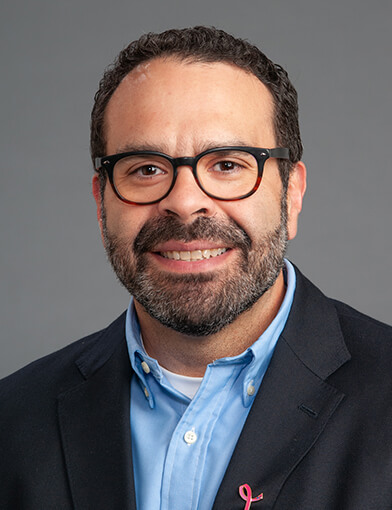
Associate Professor, Cancer Biology
Dr. Soto-Pantoja is a tenured Associate Professor in the Departments of Surgery and Cancer Biology at Wake Forest University School of Medicine and the Atrium Health Wake Forest Baptist Comprehensive Cancer Center. He earned his doctorate from Wake Forest University and completed postdoctoral training at the National Cancer Institute. Dr. Soto-Pantoja’s research investigates immune and metabolic signaling pathways as biomarkers for immunotherapy response, with a focus on identifying metabolic targets that promote anti-tumor activity—particularly in the treatment of brain metastases. His work is supported by multiple awards, including funding from the NIH, the American Cancer Society Research Scholar Award, and the V Foundation Scholar in Cancer Research. In addition to advancing cancer biology, his research program is deeply committed to mentoring and training the next generation of scientists.
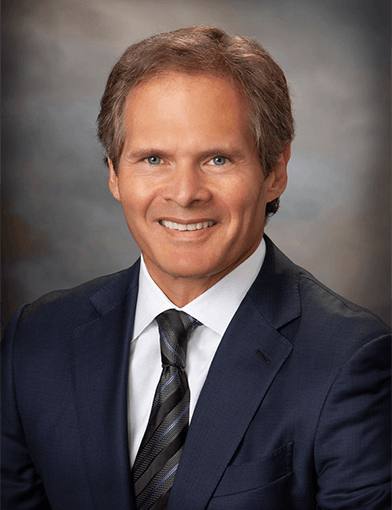
Adjunct Professor, Neurological Surgery
Dr. Asher was awarded one of the inaugural Howard Hughes Medical Institute-National Institutes of Health (NIH) Research Scholarships, and subsequently completed a fellowship in surgical oncology at the Surgery Branch of the National Cancer Institute (NCI), NIH. His translational research has focused on cancer immunotherapy, extending his experiences in the laboratory of Dr. Steven A. Rosenberg, pioneer of adoptive immunotherapy. Dr. Asher co-founded the Adult NeuroOncology and Gamma Knife Programs at Levine Cancer Center, Atrium Health, and has been principal investigator or co-principal investigator on numerous Phase I-III clinical oncology trials funded by NIH, bio industry, and private foundations. He is past chairman of the Central Nervous System Organ Site Committee of the American College of Surgeons Oncology Group and has served on the executive committee of the AANS/CNS Joint Section on Tumors.