Discover how researchers are uniting to advance addiction care, connecting foundational insights with real-world impact! This session features four leading experts whose work spans the full translational spectrum—from innovative substance use models to clinical and population health studies. Together, they’ll highlight how research at every level accelerates breakthroughs and transforms care for substance use disorders. 

Chaired by physician-scientist Dr. Drew Kiraly, the panel will offer a dynamic dialogue weaving perspectives from basic science, clinical practice, and public health, while engaging the audience in envisioning bold new directions for addiction research. 

Whether you’re a clinician, scientist, health leader, or community partner, this event will spark ideas, foster collaboration, and highlight the transformative power of integrating discovery with real-world solutions.
Agenda

Time Activity
1:00 pm - 1:35 pm TED Style Talks
1:35 pm - 2:00 pm Q&A
2:00 pm - 2:30 pm Reception

Speakers

Professor and Vice Chair, Translational Neuroscience

Dr. Donny serves as the Founding Director of the Tobacco Control Center of Excellence and the Program Co-Lead for Cancer Prevention and Control at the Atrium Health Wake Forest Baptist Comprehensive Cancer Center. He is an addiction scientist with extensive experience in nicotine and tobacco research that spans from pre-clinical to public health research. He is the Co-Director of an NCI-funded P01 focused on the impact of nicotine vaping on the health and well-being of adolescents and young adults and was previously the Director of a NIDA-funded U54 examining the potential impact of a low nicotine content product standard for cigarettes. He is also the incoming president for the Society for Research on Nicotine and Tobacco.

Associate Professor, Translational Neuroscience and Psychiatry; Co-Director, Center for Addiction Research

Dr. Kiraly is Associate Professor of Translational Neuroscience and Psychiatry and Co-Director of the Wake Forest Center for Addiction Research. A nationally recognized expert in addiction science, Dr. Kiraly’s research has transformed understanding of how gut-brain and neuroimmune pathways drive vulnerability to substance use disorders. His lab was first to uncover microbiome-based mechanisms in cocaine and opioid addiction, earning continuous NIH support, including the prestigious Avenir and CEBRA awards. His work is widely published in leading journals such as Nature Communications and Neuropsychopharmacology. At  Wake Forest University School of Medicine, he also conducts clinically focused research and mentors emerging scientists across neuroscience and pharmacology. 

Professor and Chair, Department of Translational Neuroscience

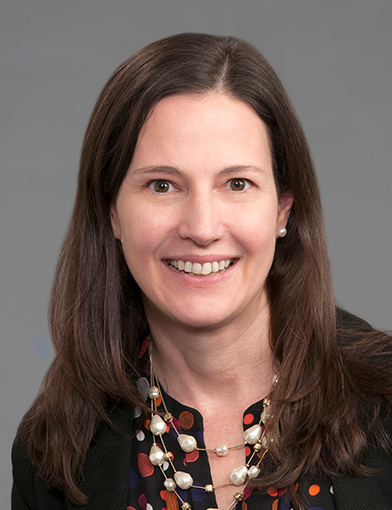
Dr. Jones is the Chair of the Department of Translational Neuroscience and her research focus is on neurobiological mechanisms underlying stress-induced relapse to drug and alcohol abuse, including dopamine dysfunction in rodent models of addiction. She serves as the Co-Director of the Wake Forest Translational Alcohol Research Center and is the Director of a drug-abuse focused T32 Training Grant. She is also on the Board of Scientific Counselors for the National Institute on Drug Abuse, and is a member of the Executive Committee of the Integrative Neuroscience Initiative on Alcoholism Consortium.

Associate Professor, Translational Neuroscience 

Dr. Meade is a clinical psychologist with expertise at the nexus of substance use and HIV. Her translational research program strives to bridge the boundaries that have traditionally divided behavioral and biomedical research to optimize health outcomes. Her NIH-funded studies have investigated social determinants, neurobehavioral effects, and biological mechanisms that impact HIV prevention and care for people who use drugs, as well as interventions to improve mental health, substance use, and medical outcomes. Current work examines the role of neuroinflammation in the link between substance use and cognitive deficits, as well as longitudinal effects on the structural and functional brain networks.