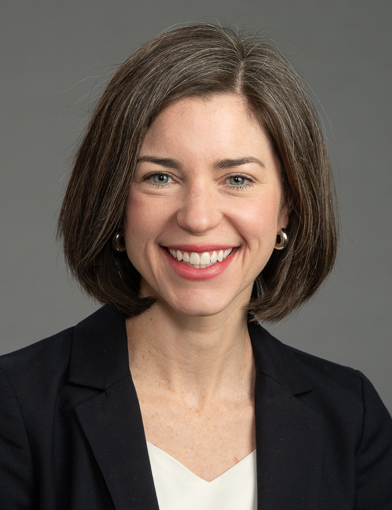
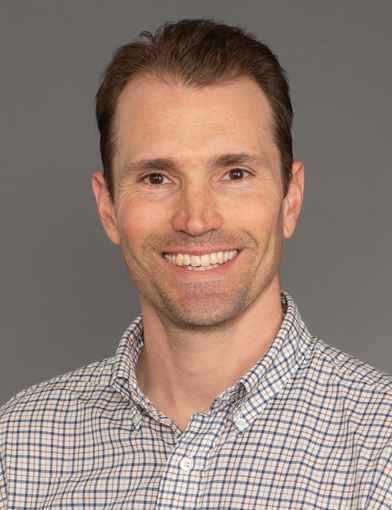
Join us for a dynamic one-hour celebration spotlighting the power of pragmatic clinical trials embedded in everyday care. This event will feature TED-style talks from three leading scientists whose innovative research has transformed clinical practice across our health system.

Through real-world examples, they’ll share how pragmatic trials can accelerate evidence generation, improve patient outcomes, and drive system-wide change.

A moderated panel will follow, exploring lessons learned, implementation challenges, and future directions for integrating research into care delivery. Whether you're a clinician, researcher, or health system leader, this event will inspire new ways to bridge science and practice.

Agenda

Time Activity
1:00 pm - 1:35 pm TED style Talks
1:35 pm - 2:00 pm Panel Session and Q&A
2:00 pm - 2:30 pm Reception

Speakers

Professor and Section Chief, Professor, Pulmonary, Critical Care, Allergy and Immunologic Diseases

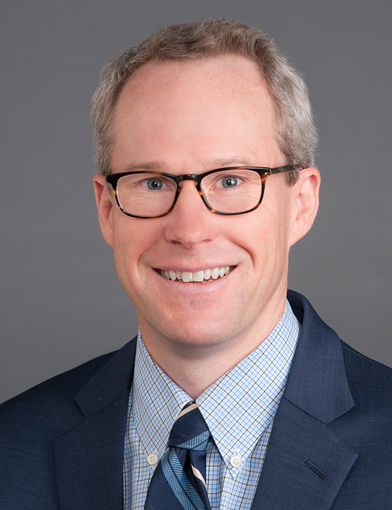
 D. Clark Files is a Professor of Medicine at Wake Forest University School of Medicine. He is pulmonary and critical care physician-scientist with a focus on severe pneumonia, acute respiratory distress syndrome (ARDS) and sepsis. His interests are in translational research and clinical trials in critically ill patients.   

Kevin Gibbs

Kevin Gibbs, MD

Associate Professor, Director Acute Care Clinical Trials (Section on Pulm CCM)

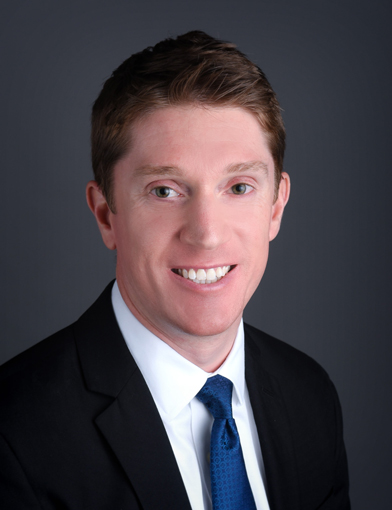
Dr. Gibbs joined Wake Forest University School of Medicine in 2015.  He practices clinically as a medical intensivist at Atrium Health Wake Forest Baptist Medical Center.  Within, the Department of Internal Medicine/Section on Pulmonary, Critical Care, Allergy and Immunology, he serves as the Director of the Acute Care Clinical Trials Team.

In this role, Dr. Gibbs leads conventional explanatory randomized clinical trials and pragmatic comparative effectiveness trials in hospitalized and critically ill patient.  His research focuses on two forms of respiratory life support: emergency tracheal intubation and mechanical ventilation with the goal of improving outcomes for the sickest patients in the hospital.

Associate Professor, Hospital Medicine, Department of Internal Medicine 

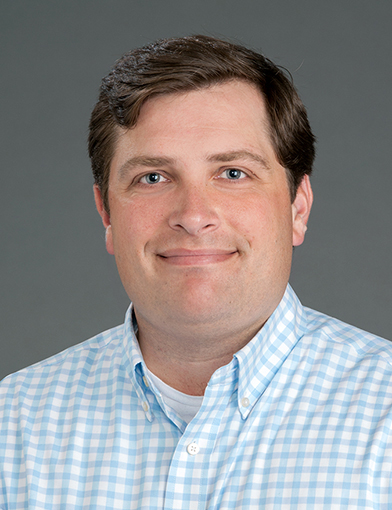
Dr. Marc Kowalkowski is Associate Professor in the Section of Hospital Medicine at Wake Forest University School of Medicine. He serves as a leader for Research in Hospital Medicine and is Associate Director of the Center for Health System Sciences (CHASSIS) and Co-Director of Wake Forest CTSA Pragmatic Trials Consultancy Service. As a health services researcher and epidemiologist, his work focuses on optimizing acute care delivery, particularly for older adults with complex conditions like sepsis. Dr. Kowalkowski is Principal Investigator and Co-Principal Investigator on multiple NIH, AHRQ, and foundation-funded studies, including pragmatic evaluations of interventions to improve post-sepsis outcomes and the expansion of Hospital at Home programs. 

Assistant Professor of Statistics, Wake Forest University, and Adjunct Assistant Professor, Biostatistics and Data Science)

Sarah Lotspeich is an Assistant Professor in Statistical Sciences at Wake Forest University, with a secondary appointment in Biostatistics and Data Science at the Wake Forest University School of Medicine. Sarah completed a postdoctoral fellowship in Biostatistics at UNC Chapel Hill and earned her Ph.D. in Biostatistics from Vanderbilt University. Her research tackles challenges in analyzing error-prone observational data, focusing on international HIV cohorts, electronic health records, and health disparities. She also develops methods for statistical modeling with censored covariates, applicable to Huntington’s disease. She has published in peer-reviewed statistical, clinical, and epidemiological journals, and is the 2023 recipient of the David P. Byar Early Career Award from the American Statistical Association Biometrics Section. 

Associate Professor, Director Acute Care Clinical Trials (Section on Pulm CCM)

Dr. Gibbs joined Wake Forest University School of Medicine in 2015.  He practices clinically as a medical intensivist at Atrium Health Wake Forest Baptist Medical Center.  Within, the Department of Internal Medicine/Section on Pulmonary, Critical Care, Allergy and Immunology, he serves as the Director of the Acute Care Clinical Trials Team.  

In this role, Dr. Gibbs leads conventional explanatory randomized clinical trials and pragmatic comparative effectiveness trials in hospitalized and critically ill patient.  His research focuses on two forms of respiratory life support: emergency tracheal intubation and mechanical ventilation with the goal of improving outcomes for the sickest patients in the hospital.

Associate Professor of Internal Medicine (Secondary Appointment in Epidemiology and Prevention)

Dr. Jessica Palakshappa is an Associate Professor of Internal Medicine and critical care physician-scientist. Her research focuses on improving outcomes for critically ill adults through implementation science and pragmatic clinical trials. Dr. Palakshappa is the recipient of an NIH Career Development Award (K23) focused on preserving cognition for older adults during and after ICU care and has been awarded additional funding to advance patient-centered interventions that bridge acute care and long-term recovery for patients with respiratory failure and sepsis. She is committed to integrating evidence-based practices into clinical workflows to advance the science and practice of critical care medicine. 

Associate Professor of Biostatistics and Data Science

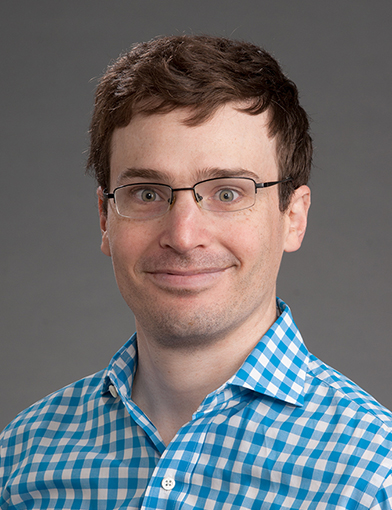
Joseph Rigdon is an Associate Professor of Biostatistics and Data Science at the Wake Forest University School of Medicine. He holds a PhD and MS in biostatistics from UNC Chapel Hill and spent 5 years as a statistician in the Stanford University School of Medicine prior to Wake Forest. His research focuses on causal inference, treatment affect heterogeneity, preventive medicine, and collaborative biostatistics. A unifying theme is making statistical methods and results more accessible and actionable to broad audiences. He leads the Biostatistics, Epidemiology, and Research Design (BERD) group in the Wake Forest Clinical and Translational Science Institute. He is the current recipient of a PCORI methods award to study a new approach for patients, researchers, and doctors alike to understand and discuss treatment affect heterogeneity.