
This session showcased Wake Forest University School of Medicine’s commitment to advancing imaging science as a cornerstone of precision medicine. The panel brought together leading experts in addiction PET imaging, Alzheimer’s disease PET imaging, clinical PET with theranostics, and PET imaging in radiation cohorts to explore how cutting-edge molecular imaging is transforming basic, translational, and clinical research, as well as patient care.
Attendees gained insights into emerging radiotracers, quantitative imaging biomarkers, novel imaging platforms, and theranostic strategies that reveal key molecular mechanisms and enable personalized treatment planning.
The discussion emphasized how PET technologies are driving earlier diagnosis, guiding therapeutic decisions, and improving outcomes across diverse clinical settings, while also identifying opportunities for collaboration to integrate these innovations into routine practice.
Speakers
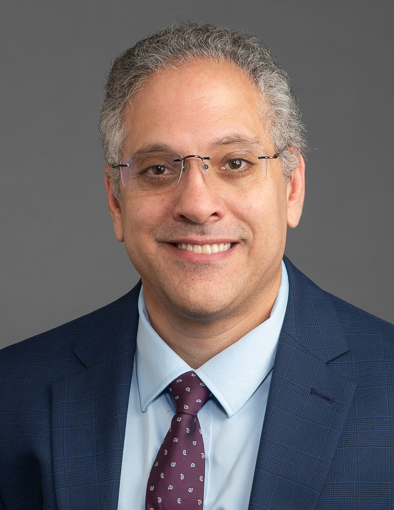
Associate Professor, Radiology/Neuroradiology
Dr. Benayoun is a dual-boarded Associate Professor of Neuroradiology and Nuclear Medicine at Atrium Health Wake Forest Medical Center. He completed his nuclear medicine training at Emory University Hospital and his neuroradiology fellowship at Massachusetts General Hospital. He obtained his MD and PhD from the University of Chicago. He is currently the Co-Chief of Nuclear Medicine and the Medical Director of MRI and Nuclear Medicine and PET. Dr. Benayoun has a strong interest in molecular neuroimaging and neurotheragnostics. He has been instrumental in building up the Lu-177 PSMA service line at Atrium Health Wake Forest and helping to advance clinical trials for theragnostics at Wake Forest University School of Medicine.
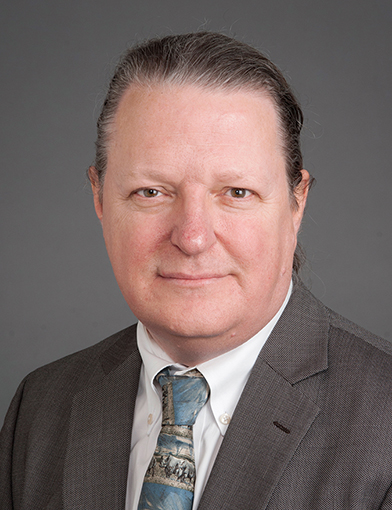
Professor of Pathology/Comparative Medicine; Director, Wake Forest Primate Research Center
Dr. Cline is an experienced researcher with over 30 years of continuous extramural funding, focused on naturally-occurring models of cancer in nonhuman primates, hormone-dependent cancers, development of novel targeted cancer therapeutic strategies, and delayed effects of radiation exposure. He has chaired a number of NIH study sections and review panels and has served on advisory committees for NASA and the National Academies for Science, Engineering, and Medicine.
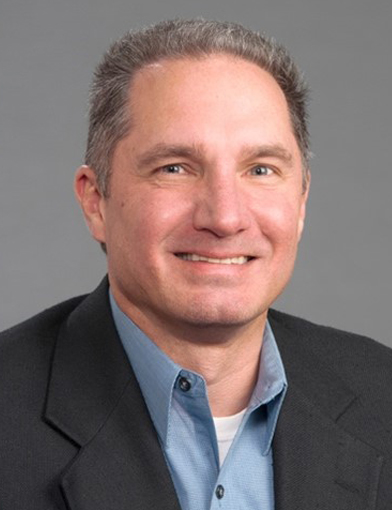
Professor, Department of Translational Neuroscience, Wake Forest University School of Medicine
Dr. Czoty is a behavioral pharmacologist and neuroscientist with 30+ years of experience conducting research using nonhuman primate models of substance use disorders. His research uses behavioral procedures, including drug self-administration and non-invasive brain imaging, including MRI and PET, to characterize the effects of long-term drug use on the brain. Other major research areas are characterization of behavioral, neurobiological and environmental factors that predispose individuals to substance abuse and development of novel medications. He has been heavily involved in recruiting, educating and training graduate students during his 23 years at the Wake Forest University School of Medicine, including serving currently as Director of the Neuroscience graduate programs.
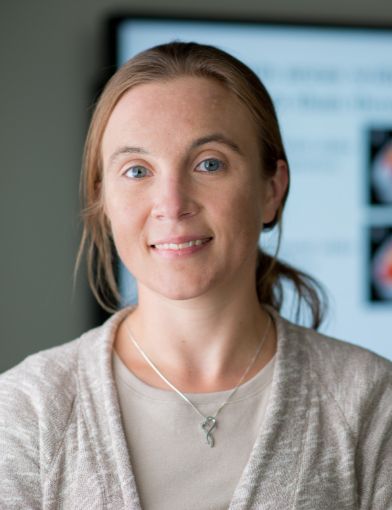
Dr. Shannon Risacher is an Associate Professor in the Department of Internal Medicine, Section of Gerontology and Geriatric Medicine and the Imaging Biomarker Core Leader of Wake Forest Alzheimer’s Disease Research Center. Her main research interest is in identifying biomarkers for early detection of Alzheimer’s disease and related dementia (ADRD) pathology before clinical symptoms. Although she primarily evaluates neuroimaging measures from magnetic resonance imaging (MRI) and positron emission tomography (PET) techniques, she has significant interest in novel biomarkers. For example, she is particularly interested in visual, olfactory, and auditory measures as potential biomarkers of AD pathology in early stages of disease. She also studies the impact of co-morbid medical and lifestyle factors, including vascular diseases, medications, diet, and exercise, on risk for and neuroimaging biomarkers of dementia. Dr. Risacher also has a strong expertise in identification and evaluation of genetic variations that are associated with ADRD pathology using imaging and other biomarkers as endophenotypes.
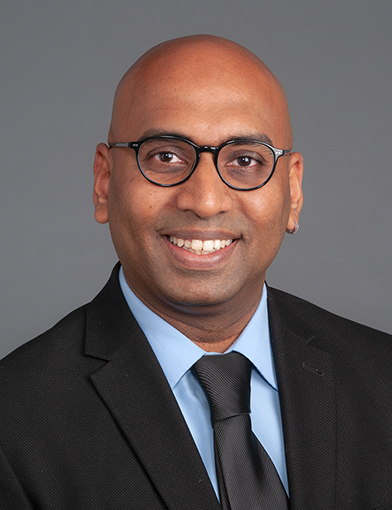
Associate Professor of Radiology
Dr. Solingapuram Sai is an Associate Professor of Radiology, Director of PET imaging center, and the inaugural Deans Research Scholar at the Wake Forest University School of Medicine. His work focuses on developing , evaluating, and translating novel first-in-class PET radiotracers for neurological disorders; his lab is fully funded and published around 85 publications in several high-impact scientific journals. Trained as a radiochemist, Dr. Sai brings extensive experience in automation, validation, and GMP/FDA-compliant protocols to translate radiotracers from preclinical to clinical settings, including microtubule, insulin, and nicotine PET. He also serves on several national and international molecular imaging boards, contributing to training, education, and scientific research initiatives.