
RME Course Instructors
Wake Forest Institute for Regenerative Medicine
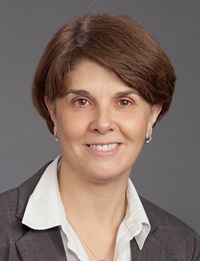
Graça Almeida-Porada, M.D., Ph.D. is a Professor of Regenerative Medicine at the Wake Forest Institute for Regenerative Medicine, and a Professor in the Department of Cancer Medicine, Section of Hematology and Oncology, and in the School of Biomedical Engineering and Sciences at the Wake Forest School of Medicine.
She founded and leads the Fetal Research and Therapy Program at WFIRM, which is aimed at pursuing basic and translational research to develop prenatal treatments for genetic disorders and other life-threatening conditions.
Dr. Almeida-Porada is an internationally recognized physician-scientist, whose pioneering research could completely transform the entire paradigm for how genetic diseases are clinically managed. Her research focuses on the development of cellular and gene delivery platforms to treat genetic and immune-mediated diseases. She is particularly interested in improving the outcome of stem cell transplantation and gene therapy in prenatal recipients and children with genetic disorders, to cure diseases before they start.
Throughout her entire career Dr. Almeida-Porada has been supported by the National Heart, Lung, and Blood Institute to investigate, develop and manufacture novel prenatal and post-natal therapies for hematological genetic disorders.
She is the co-founder of the International Fetal Transplantation and Immunology Society whose mission is to accelerate clinical applications of stem cell transplantation and gene therapy approaches, to treat fetuses with congenital disorders. She has twice served as the President of this Society and is a permanent member of its Advisory Board. She also founded and served as the first Chair of the American Society of Gene and Cell Therapy’s Prenatal Cell and Gene Therapy Committee.
Dr. Almeida-Porada is also an educator and has been fully committed to promoting knowledge and training of the next generation of scientists.
She holds multiple patents and has authored more than 400 scientific works including peer-reviewed papers, abstracts, and book chapters. Dr. Almeida-Porada is the editor-in-chief of Current Stem Cell Reports and serves in multiple other editorial and clinical trial advisory boards.
Wake Forest Institute for Regenerative Medicine
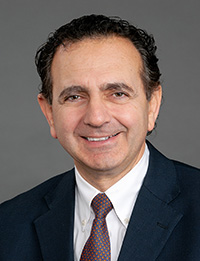
Anthony Atala, MD, is the G. Link Professor and Director of the Wake Forest Institute for Regenerative Medicine, and the W. Boyce Professor and Chair of the Department of Urology at Wake Forest University. His work focuses on growing human cells, tissues and organs. Fifteen applications of technologies developed in Dr. Atala's laboratory have been used clinically in human patients. Dr. Atala was elected to the Institute of Medicine of the National Academies of Sciences (now the National Academy of Medicine), to the National Academy of Inventors as a Charter Fellow, and to the American Institute for Medical and Biological Engineering
Dr. Atala is a recipient of the US Congress funded Christopher Columbus Foundation Award, bestowed on a living American who is currently working on a discovery that will significantly affect society; the World Technology Award in Health and Medicine, for achieving significant and lasting progress; the Edison Science/Medical Award; the Fast Company World Changing Ideas Award; the R&D Innovator of the Year Award; and the Smithsonian Ingenuity Award. Dr. Atala’s work was listed twice as Time Magazine’s top 10 medical breakthroughs of the year, and as one of 5 discoveries that will change the future of organ transplants. Dr. Atala’s work was ranked in 2019 by the Project Management Institute as one of the top 10 most impactful biotech projects from the past 50 years.
Dr. Atala was named by Scientific American as one of the world’s most influential people in biotechnology, by U.S. News & World Report as one of 14 Pioneers of Medical Progress in the 21st Century, by Life Sciences Intellectual Property Review as one of 50 key influencers in the life sciences intellectual property arena, and by Nature Biotechnology as one of the top 10 translational researchers in the world. Dr. Atala has led or served several national professional and government committees, including the National Institutes of Health working group on Cells and Developmental Biology, the National Institutes of Health Bioengineering Consortium, and the National Cancer Institute’s Advisory Board. He was a Founder of the Tissue Engineering Society, the Regenerative Medicine Society, the Regenerative Medicine Foundation, the Alliance for Regenerative Medicine, the Regenerative Medicine Development Organization, the Regenerative Medicine Manufacturing Society, and the Regenerative Medicine Manufacturing Consortium. Dr. Atala works with several journals and serves in various roles, including Editor-in-Chief of: Stem Cells Translational Medicine; Therapeutic Advances in Urology; and BioPrinting. He is the editor of 25 books, has published more than 800 journal articles and has applied for or received over 250 national and international patents.
Wake Forest Institute for Regenerative Medicine
Before joining WFIRM, Dr. Bauer was Chief of the Cellular and Tissue Therapies Branch in the Division of Cellular and Gene Therapies, in the Office of Tissues and Advanced Therapies (OTAT) at the Center for Biologics Evaluation and Research (CBER), U.S. Food and Drug Administration (FDA). Dr. Bauer has three decades of experience in regulatory science research, regulatory oversight, and policy development for regenerative medicine product development. Dr. Bauer was a member of FDA’s Senior Biomedical Research and Biomedical Product Assessment Service (SBRBPAS). As the Chief of CTTB, Dr. Bauer supervised CBER scientific staff engaged in review of cell- and gene-based biological therapies, policy development in emerging areas of cellular therapies, and research relevant to their use in clinical trials. Dr. Bauer has extensive regulatory experience with review of hundreds of regulatory submissions from all phases of product development from IND to BLAs including many novel cell, gene and tissue engineering applications. Dr. Bauer also headed FDA’s multipotent stromal cell (MSC) research consortium that published over twenty papers illustrating challenges and improvement strategies for characterization of complex MSC-based cellular and tissue engineering products. Dr. Bauer received his Ph.D. in Biochemistry from the University of Maryland in 1986. From 1986 through 1991, Dr. Bauer was a scientific member of the Basel Institute for Immunology in Basel, Switzerland. His research interests include development of strategies to improve characterization of stem-cell based therapies and to enhance our understanding of how manufacturing of regenerative medicine products influences the biological properties of these complex and heterogenous products.
Coming soon!
ProKidney
Dr. Culleton is Chief Executive Officer at ProKidney, an autologous cell therapy company focused on preserving kidney function in patients with advanced chronic kidney disease. Previously, he served as Chief Medical Officer and later as General Manager at CVS Kidney Care. Before joining CVS Health, he worked in senior global clinical leadership roles at Becton Dickinson and at Baxter Healthcare. Before his industry career, Dr. Culleton was a Clinical Associate Professor, Department of Medicine at the University of Calgary.
Dr. Culleton holds a Doctor of Medicine degree from Memorial University of Newfoundland and a Master's degree in Business Administration from Northwestern University, Kellogg School of Management. He completed a specialization in Internal Medicine and Nephrology through the Royal College of Physicians and Surgeons of Canada, as well as a fellowship in Clinical Epidemiology at Boston University, Framingham Heart Study.
ATCC (American Type Culture Collection)
Dr. Nilay Chakraborty joined ATCC in January 2021 to lead the technology development efforts in Cryobiology. His primary responsibility is to provide overall leadership in developing innovative technologies and improving core competencies in the area of preservation sciences. In addition to technical leadership, his responsibilities include talent management, new product innovation, and management of cross-functional activities (both internal and external).
An engineer by training, Dr. Chakraborty received his Doctoral Degree from University of North Carolina. He developed several innovative technologies in biopreservation during his tenure at Center for Engineering in Medicine in Harvard Medical School, Harvard-MIT Health Science Technology and Shriners Burns Hospital. Prior to joining ATCC, Dr. Chakraborty was an Associate Professor with tenure at University of Michigan Dearborn and acted as a Provost Fellow and Chair of the Research Committee for College of Engineering at University of Michigan. He was awarded University of Michigan Outstanding Teacher Award for 2018-2019 and was nominated for the Distinguished Professor of the Year Award by Michigan Association of State Universities in 2020. He played an instrumental role in creating the Bioengineering Undergraduate and Graduate programs at University of Michigan Dearborn. He has designed and developed several programs at the University that focused on success of first-generation college students in Michigan. Dr. Chakraborty served as a PI of several Federal Research Grants and served as a reviewer for Federal Scientific bodies including NSF and NIH. He has several patents and has actively worked on technology translation area by creating two successful startup businesses.
Forsyth Technical Community College (FTCC)
Dr. Shelton Charles brings a wealth of experience and expertise to his role as the Associate Dean of Science and Engineering at Forsyth Technical Community College (Forsyth Tech). Dr. Charles oversees the life sciences, physical sciences, and math departments at Forsyth Tech, a position earned after four years of dedicated service as chair of the life sciences department. His dedication to advancing knowledge in physiology led him to complete a research postdoctoral fellowship at Loma Linda University and Wake Forest Baptist Health. This academic journey reflects Dr. Charles’ commitment to foundational learning and specialized research, preparing him for his influential role at Forsyth Tech.
His journey at Forsyth Tech began as an instructor in the life sciences department, where he taught courses ranging from general biology for majors and non-majors to anatomy and physiology I and II and pathophysiology.
In 2019, Dr. Charles was honored with the Excellence in Teaching Award at Forsyth Tech for his outstanding leadership, dedication, and commitment to academic excellence and student success. Building on this recognition, in 2023, Dr. Charles further solidified his commitment to excellence by receiving the NISOD Excellence Award, marking another milestone in his distinguished career in education.
Outside the confines of Forsyth Tech, Dr. Charles has significantly enriched academia through his diverse contributions. He extends his expertise by instructing doctoral students in the physical therapy program at Winston-Salem State University, specializing in respiratory physiology and pharmacology. Driven by an unwavering commitment to continuous improvement, he actively pursues professional development through attending seminars and conferences such as NISOD and the League of Innovation and acquiring certifications. Dr. Charles holds Quality Matters and ACUE certifications, indicating his dedication to maintaining high educational standards. Notably, he has successfully completed the North Carolina Community College Leadership Program (NCCCLP) and the Executive Director Leader Lab (EDLL), further underscoring his commitment to leadership excellence in the academic realm.
In addition to his role as an educator, Dr. Charles is a committed researcher with a notable body of work. His contributions to academia include publishing several scientific papers, demonstrating his commitment to advancing knowledge in his field. Dr. Charles has disseminated his research through written publications and presented his findings in oral science presentations at various scientific meetings and academic institutions. Furthermore, his expertise is acknowledged in the academic community, where he is a valuable reviewer of scientific books and proposals. Notably, he has contributed to evaluating works such as Principles of Life by DM Hillis et al. and A Lab Manual for Anatomy and Physiology by Blue Door.
Dr. Charles’ passion extends beyond academia. He actively seeks opportunities to mentor and empower minorities in math, science, and technology. Before his tenure in North Carolina, he volunteered as a panelist for programs encouraging minority males to pursue careers in mathematics and science. He has tutored, mentored, and volunteered in his local community with organizations focused on uplifting minority individuals.
A dedicated health advocate, Dr. Charles has presented on preventable health issues at Winston-Salem State University and his church, aiming to increase awareness and promote positive lifestyle changes. His commitment to community service spans Brooklyn, New York; Loma Linda, California, where he worked with people experiencing homelessness; and Winston-Salem, N.C., his current home, where he continues volunteering.
QIAGEN
John Chuckalovcak serves as Associate Director of Business Development & Partnerships for pharmaceutical and industrial manufacturing clients at QIAGEN. In this role, he drives commercial strategy, collaborations, and market expansion for bioanalytical solutions across North America. With proficiency in molecular testing methodologies, John works extensively with functional groups that span the lifecycle of drug and product development. He is passionate about enabling the adoption of bioanalytical platform technologies and translating complex science into meaningful outcomes. John received his Masters degree from the University of Virgina and currently resides in the greater Harrisburg region of Pennsylvania.
BioServe Space Technologies
Ms. Stefanie Countryman is the Director of BioServe Space Technologies and a Research Associate in the Ann and HJ Smead Aerospace Engineering and Sciences Department at the University of Colorado Boulder. She has been with BioServe for more than 26 years, providing significant leadership in space life sciences. As Director, Ms. Countryman guides BioServe’s strategic direction and oversees a broad portfolio of spaceflight research and engineering programs. She has led or contributed to the development and management of more than 70 space life science experiments, ranging from relatively simple studies to highly complex investigations. Her work focuses on translating ground-based biological research into experiments suitable for microgravity environments. While her experience spans a wide range of life science disciplines, she has particular expertise in mammalian cell culture. Her recent work includes supporting studies on the effects of microgravity on proximal tubule epithelial cells, mesenchymal stem cells, cardiomyocytes, peripheral blood mononuclear cells, endothelial cells, organoids, and engineered heart tissue to name a few. Through this work, Ms. Countryman has developed deep expertise in the full lifecycle of spaceflight experiments, including design, hardware development, launch, and on-orbit operations.
Wake Forest Institute for Regenerative Medicine
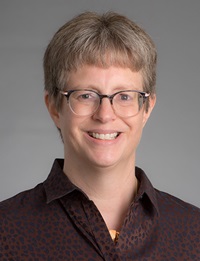
Dr. Tracy Criswell is currently an Associate Professor at the Wake Forest Institute for Regenerative Medicine. She received her Bachelor's of Science degree in Biology from the University of Cincinnati in 1998 (Magna Cum Laude) and her PhD in Cellular and Molecular Biology from Case Western Reserve University in 2004. Her thesis work focused on identifying the cellular effects of low dose ionizing radiation exposure on breast cancer. After the completion of her PhD, Dr. Criswell joined the laboratory of Dr. Carlos Arteaga at Vanderbilt University where her research focused on the role of TGFβ signaling in breast cancer metastases.
In 2009, she joined the Wake Forest Institute for Regenerative Medicine as a senior research fellow and was subsequently promoted to a faculty position in 2012. In addition to WFIRM, Dr. Criswell has cross appointments in Integrative Physiology and Pharmacology, Molecular Medicine and Translational Science and the Virginia Tech-Wake Forest University School of Biomedical Engineering and Science. She currently serves on the Wake Forest Graduate School Council. She is actively involved in curriculum development at WFIRM, and is a mentor for high school, undergraduate and graduate student trainees.
Wake Forest Institute for Regenerative Medicine
Timothy Dobroski is a PhD candidate in Biomedical Engineering at the Virginia Tech-Wake Forest University School of Biomedical Engineering and Sciences. Based at the Wake Forest Institute for Regenerative Medicine (WFIRM), Timothy specializes in the biofabrication of vascularized tissue constructs for kidney and liver regeneration. His doctoral research, supported by the NC KUH-TRIO U2C/TL1 traineeship, bridges the gap between benchtop tissue engineering and in-space manufacturing through a variety of industry collaborations.
NASA
Mr. Engelbert serves as the Manager of NASA’s In Space Production Applications (InSPA) Portfolio, responsible for development and implementation of the Agency strategy to enable sustainable and scalable commercial manufacturing in space for Earth. Through InSPA awards, NASA funds U.S. businesses and institutions seeking to develop and demonstrate the production of advanced materials and products, including biotechnology applications, on the International Space Station (ISS) National Lab that serve large markets on Earth. Mr. Engelbert was instrumental in the development and release of NASA’s 2019 Strategy for Development of a Commercial low-Earth orbit (LEO) Economy and co-chairs a federal interagency working group focused on enabling the LEO Space Economy. Mr. Engelbert earned a Bachelor of Science in Aerospace Engineering from Texas A&M University in 1989 and a Master of Science in Finance from the University of Houston at Clear Lake in 2000.
Pre-doctoral Fellow, University of Maryland
Ryan B. Felix is a Doctoral Candidate at the University of Maryland, pioneering the integration of Artificial Intelligence into bioprinting. Working under the guidance of Dr. John P. Fisher, Ryan’s research focuses on optimizing bioprinter performance to make on-demand, complex living tissues—such as skin and cartilage—a clinical reality.
With a background in Chemical and Biomolecular Engineering and experience as a Clinical Research Coordinator, Ryan bridges the gap between computational innovation and surgical application. His work envisions a future where healthcare providers can "print" patient-specific tissues in the OR, fundamentally transforming the landscape of regenerative medicine.
Wake Forest Institute for Regenerative Medicine
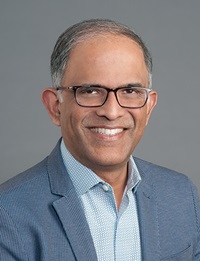
Dr. Gorantla is a tenured professor of surgery and director of the Vascularized Composite Allotransplantation (VCA) Program at Wake Forest University School of Medicine and the Wake Forest Institute for Regenerative Medicine. His clinical expertise is in hand transplantation and reconstructive transplantation with academic interests in ex vivo organ preservation, nerve regeneration, non-invasive imaging, and targeted immunomodulation. The Gorantla lab focuses on a wide range of research including organ transplantation, reconstructive microsurgery, nanomedicine, regenerative pharmacology, biosensors and point of care devices, cellular therapies, regenerative medicine applications in transplantation and the relationship between the immune system and regenerative, oncogenic and autoimmune processes.
Wake Forest Institute for Regenerative Medicine
Dr. Xu Han is the Founder and President of CryoCrate LLC, an NIH Innovation Showcase company, and is currently enrolled in the Harvard Business School Owner/President Management Program (Executive Education). He is an Assistant Professor at the Wake Forest Institute for Regenerative Medicine and Associate Professor of Clinical Medicine at the University of Missouri.
Dr. Han’s training is in glyco-engineering and thermo-engineering, which he integrates to develop novel biophysical platforms for regenerative medicine and biobanking.
Dr. Han has established two first-in-class technology platforms. The first is a biocompatible cryopreservation platform based on the discovery of nanoscale cubic ice formation mediated by polysaccharides, representing a paradigm shift from conventional hexagonal ice-based cryopreservation. This platform eliminates the need for toxic, cell-permeating cryoprotectants and enables stable preservation of cells and tissues at −80 °C while maintaining viability and ultrastructural integrity. The second is a glycocalyx-mediated mechanotransduction platform, derived from his discovery of molecular assembly-driven macromolecular crowding that directly organizes glycocalyx structures on the cell surface. This platform enables regulation of cell–matrix interactions and mechanotransduction pathways, supporting in vivo regenerative wound healing, extracellular matrix remodeling, epithelialization, and in vitro generation of physiologically relevant bioengineered tissues for applications in regenerative and precision medicine. His research-grade cryopreservation media have been commercialized and distributed by Thermo Fisher Scientific and are widely used in academic and clinical laboratories.
Dr. Han has served as Principal Investigator on 12 NIH-, DoD-, and USDA-funded SBIR and CDMRP projects and is the leading inventor on 10 issued and 9 pending U.S. and international patents. He has participated in over 30 NIH review panels across nine study sections and serves as an on-site reviewer for the NSF Engineering Research Center program, as well as a regular reviewer for the American Institute of Biological Sciences.
At Wake Forest, Dr. Han has developed an individualized, one-on-one training model for translational Capstone projects. He designs customized curricula for each trainee aligned with their background and career goals and anchors training in distinct, project-based experiences rather than standardized coursework. He also contributes to teaching in cell biology and biobanking within regenerative medicine programs.
BioSpherix
Alicia D. Henn PhD MBA is Chief Scientific Officer for BioSpherix, LLC, a member of the Breeze Group. She works to improve scientific reproducibility, and get new treatments to patients, by designing clonable, physiologically relevant cell and tissue production environments.
The Well Bioscience
Dr. John Huang is an inventor and entrepreneur in advanced biomedicine and bioengineering, with a strong track record in developing and commercializing innovative technologies. He is the Founder and CEO of TheWell Bioscience, Inc., a company pioneering xeno-free, 3D biomimetic platforms that advance precision medicine, cell therapy, and biomanufacturing.
Under Dr. Huang’s leadership, TheWell Bioscience has built a comprehensive platform that closely mimics the human extracellular microenvironment, enabling robust and reproducible 3D cell culture systems and smart delivery solutions for drug discovery, tissue engineering, and personalized medicine.
Dr. Huang is an inventor on over 50 patents, reflecting his extensive contributions to biomaterials and 3D cell technologies. He and his company have received numerous industry recognitions, including the NJ Innovation 100, Most Innovative 3D Hydrogel System (2020 Healthcare & Pharmaceutical Awards), #1 of 8 Top 3D Bioprinting Startups Impacting The Biotechnology Industry, and Leading Innovators in Cell Therapy Research 2021 Healthcare & Pharmaceutical Awards.
In addition to his role at TheWell Bioscience, Dr. Huang has served on the boards and leadership teams of several biotech organizations and contributes to the scientific community as an editorial board member and reviewer for multiple academic journals.
ReMDO; RMMS
Dr. Hunsberger obtained his B.A. in neuroscience from Wesleyan University and his Ph.D. in neuroscience from Yale University where his work focused on the beneficial effects of exercise in treating depression. He then did his postdoctoral work at the National Institutes of Health where he was the Julius Axelrod Post Doctoral Fellow and worked in areas of mood disorders and stroke. He then was a research fellow at the National Institutes of Health Center for Regenerative Medicine where he coordinated efforts for advancing clinical translation of stem-cell technologies. He then came to Wake Forest Institute for Regenerative Medicine where he worked on various director initiatives seeking to translate regenerative medicine technologies into the clinic to treat patients. He is currently chief technology officer of a non-profit organization, RegenMed Development Organization (ReMDO) that is advancing regenerative medicine manufacturing platform technologies in pre-competitive space. One of the programs focuses on development of a universal media to support clinical cell manufacturing. The other program focuses on development of a tunable bioink system for 3D bioprinting. He is also executive director of the Regenerative Medicine Manufacturing Society (RMMS) which is a professional society that has a vision of enabling the adoption of manufacturing platform technologies into standards, regulatory pathways, and commercial products by assembling a diverse network of stakeholders.
Northeastern University
Abraham Joy is Professor and Chair of the Dept. of Bioengineering, Northeastern University. Prior to his move to Northeastern in January 2024, he was a professor of Polymer Science and Polymer Engineering at the University of Akron, where he started his independent academic career in 2010. Abraham is a Fellow of the American Institute for Medical and Biological Engineering (AIMBE) and was an NSF CAREER Award recipient. He served as an NSF program director for the DMR Biomaterials program from 2021-23. He is the president-elect for the Northeaster Biomedical Engineering League, and is on the BME Council of Chairs, Long Range Planning Committee. The Joy Research Lab develops peptidomimetic biomaterials to modulate the immune system and studies their interactions with mammalian and bacterial cells. The outcomes of these research initiatives are applied to unmet needs in hemorrhage control, wound healing, bacterial infections, biofilm control, tissue adhesives, sustained delivery of proteins and small molecule therapeutics. Translation of fundamental discoveries to medical and engineering products is a core tenet of the Joy Lab, and the lab’s work has resulted in products that have reached the marketplace, such as the First Defenseâ wipe, (https://firstdefensewipe.com/) for the rapid and cost-effective detection of fentanyl on surfaces.
RoosterBio
Tim Kelly, Ph.D., has served as Chief Executive Officer of RoosterBio, Inc. since October 2021, helping to grow the company’s revenue 31% on average year-over-year since his appointment. He previously served as President of Manufacturing at Asklepios Biopharmaceutical, Inc. (AskBio) where he was responsible for the manufacturing strategy and delivery of AAV-based gene therapy products. For 15 years prior, he was with KBI Biopharma, Inc., an industry-leading contract development and manufacturing organization, where he ultimately served as President and Chief Executive Officer. He began his corporate experience at Diosynth Biotechnology. Tim has overseen development and manufacturing programs for over 350 biologics at all stages of development and commercialization and has supported numerous successful FDA and international regulatory inspections throughout his career. Tim earned his Ph.D. in molecular genetics and biochemistry from Georgia State University and his BA in biology from College of the Holy Cross.
UC San Diego School of Medicine; Auxilium Biotechnologies
Dr. Koffler is an Assistant Professor of Neurosciences at the UC San Diego School of Medicine and Co-founder and CEO of Auxilium Biotechnologies. His work in neural engineering focuses on advancing strategies to promote and guide axonal regeneration following traumatic injuries, including spinal cord and peripheral nerve damage. His research integrates tissue engineering, 3D bioprinting, neuroscience, stem cell technologies, conductive biomaterials, and targeted drug delivery to develop next generation regenerative therapies.
As CEO, Dr. Koffler leads the company’s strategy and vision and drives the translation of these technologies into clinical and commercial reality. Auxilium is currently conducting an active clinical trial that is recruiting patients while simultaneously expanding into in-space biomanufacturing. The company’s space program leverages microgravity-enabled 3D bioprinting to fabricate complex biological structures and regenerative implants that cannot be produced under terrestrial conditions, positioning Auxilium at the forefront of next-generation manufacturing for medicine on Earth and beyond.
Nezu Biotech
Tiago Lopes, PhD, is a leader in the biotechnology space who believes that in the era of big data, "no data can surprise us." Based in the life-science hub of Heidelberg, Germany, Tiago is the Founder and CEO of Nezu Biotech GmbH, where he specializes in transforming massive, complex datasets into actionable knowledge.Tiago’s career is a global roadmap of scientific excellence, spanning top-tier institutions in Brazil, Japan, the USA, and Germany. With a PhD in Biochemistry and Molecular Biology from the Max Delbrück Center and a Master’s in Artificial Intelligence from the University of São Paulo, he has spent nearly two decades mastering the intersection of AI, bioinformatics, and biostatistics.Under his leadership, Nezu Biotech has joined the European Space Agency Business Incubation Centre (ESA BIC). Here, Tiago and his team develop AI systems for drug discovery intended for both Earth-based healthcare and future human spaceflight missions to the Moon and Mars. A standout example of his "impact-first" philosophy is SkinReact™, an AI tool that reduced the cost of skin sensitization testing from $5,000 to under $10, and the timeline from months to mere seconds.
Scripps Research; Aspen Neuroscience
Dr. John Huang is an inventor and entrepreneur in advanced biomedicine and bioengineering, with a strong track record in developing and commercializing innovative technologies. He is the Founder and CEO of TheWell Bioscience, Inc., a company pioneering xeno-free, 3D biomimetic platforms that advance precision medicine, cell therapy, and biomanufacturing.
Under Dr. Huang’s leadership, TheWell Bioscience has built a comprehensive platform that closely mimics the human extracellular microenvironment, enabling robust and reproducible 3D cell culture systems and smart delivery solutions for drug discovery, tissue engineering, and personalized medicine.
Dr. Huang is an inventor on over 50 patents, reflecting his extensive contributions to biomaterials and 3D cell technologies. He and his company have received numerous industry recognitions, including the NJ Innovation 100, Most Innovative 3D Hydrogel System (2020 Healthcare & Pharmaceutical Awards), #1 of 8 Top 3D Bioprinting Startups Impacting The Biotechnology Industry, and Leading Innovators in Cell Therapy Research 2021 Healthcare & Pharmaceutical Awards.
In addition to his role at TheWell Bioscience, Dr. Huang has served on the boards and leadership teams of several biotech organizations and contributes to the scientific community as an editorial board member and reviewer for multiple academic journals.
Wake Forest Institute for Regenerative Medicine
Frank Marini is a professor at the Wake Forest Institute for Regenerative Medicine, with affiliation in the Department of Cancer Biology and the Center on Diabetes, Obesity and Metabolism at the Wake Forest School of Medicine. Marini earned his PhD at the University of Texas MD Anderson Hospital in 1998. His expertise includes molecular biology and microscopic imaging.
Associate Professor of Biomedical Ethics, Associate Consultant II-Research, Division of Health Care Policy & Research, Department of Quantitative Health Sciences, Mayo Clinic
Dr. Zubin Master is currently an Associate Professor of Biomedical Ethics at Mayo Clinic’s Biomedical Ethics Research Program within the Department of Quantitative Health Sciences and the Center for Regenerative Biotherapeutics. He is in the midst of starting a new appointment within the Department of Social Science and Health Policy at Wake Forest University School of Medicine and will be affiliated with Wake Forest Institute of Regenerative Medicine. He has previously held appointments at Albany Medical College, and worked in public service as a Senior Policy Advisor for Health Canada. He is currently a non-resident scholar of the Baker Institute for Public Policy at Rice University and has held multiple adjunct/visiting professor appointments. Dr. Master is currently member of the International Society for Stem Cell Research’s Public Policy Committee and the Education Committee, and was one of the society’s first Goldstein Science Policy Fellows. He is Associate Editor for the journal Accountability in Research which publishes research on research integrity and has been an invited reviewer for Societal and Ethical Issues in Research special emphasis panel which reviews bioethics grants for the NIH. Dr. Master’s research interests broadly cover ethical and policy issues related to stem cells and regenerative medicine, genetics, research ethics, and the responsible conduct of research. Much of Dr. Master’s research has a translational focus.
His current NIH-funded studies aim to understand how beliefs and perceptions of patients seeking experimental care are influenced by mis(dis)information and potential strategies to correct misinformation and elicit behavioral change. Dr. Master aims to develop persuasive educational interventions and to instruments to effectively measure knowledge, attitudinal, affective, and behavioral changes among patients considering unproven experimental regenerative interventions. In addition to building persuasive education for patients and the public, Dr. Master also studies patient-clinician communication surrounding unproven experimental interventions with the goal of developing an interpersonal clinician-led toolkit to mitigate medical misinformation among patients and families during a clinical encounter. A final area of research interest of Dr. Master’s includes studying health disparities and equitable access to patients seeking next generation regenerative care. Dr. Master’s research has been published in over a hundred articles and he has presented his work internationally. In addition, Dr. Master has taught research ethics, ethical and policy issues of regenerative medicine, and the responsible conduct of research for over 12 years.
Wake Forest Institute for Regenerative Medicine
Josh Maxwell is an Assistant Professor at WFIRM. He graduated from Allegheny College in 2004 with a bachelor’s degree in Biology. Josh then received his Ph.D. in Cell and Molecular Physiology in 2010 from Loyola University Medical Center in the Department of Cell and Molecular Physiology studying the IP3 receptor in cardiac tissues. Dr. Maxwell then went on to post-doc with Dr. Lothar Blatter at Rush University Medical Center studying intracellular calcium handling, heart failure, and arrhythmogenesis. He then moved to Emory University in 2014 where he began studying cardiac regenerative medicine. Josh moved to WFIRM in August 2021 where he continues his pioneering work developing stem cell-based approaches for heart failure. His laboratory’s work has been supported by the NIH, NSF, FDA, and institutional awards.
Axiom Space
Dr. Pinar Mesci is the Global Head of Biomanufacturing and Biotechnology at Axiom Space, in charge of a portfolio focused on biomedical research programs including stem cells, tissue engineering, disease modeling, cancer research and DNA-inspired nanomaterials. Previously, Dr. Mesci was a senior scientist at UC San Diego studying human neurodevelopment using human induced pluripotent stem cells (iPSCs), responsible of launching the microgravity research with human brain organoids at UC San Diego. She has more than 15 years of experience in translational and biomedical research with a track record of publications in the fields of neuroscience, stem cells, inflammation, Zika virus and coronavirus infections.
In 2021, she received the International Rett Syndrome Foundation (IRSF) Innovation Award for her work studying the immune interactions in Rett Syndrome using iPSCs. She holds a patent for the development of methods to generate functional human brain organoids and another patent pending for microglial cells as therapeutic targets in neurodevelopmental disorders. Dr. Mesci earned a BSc in Life Sciences, an MSc in Biology of Aging and PhD in neuroscience from Pierre & Marie Curie University, Paris, France.
Rice University
Antonios G. Mikos is the Louis Calder Professor of Bioengineering and Chemical and Biomolecular Engineering at Rice University. His research focuses on the synthesis, processing, and evaluation of new biomaterials for use as scaffolds for tissue engineering, as carriers for controlled drug delivery, as non-viral vectors for gene therapy, and as platforms for disease modeling. His work has led to the development of novel orthopaedic, dental, cardiovascular, neurologic, and ophthalmologic biomaterials. Mikos is a Member of the National Academy of Engineering, the National Academy of Medicine, the American Academy of Arts and Sciences, the National Academy of Inventors, the Chinese Academy of Engineering, the Academia Europaea, the European Academy of Sciences, the Royal Academy of Pharmacy of Galicia, and the Academy of Athens. He has been recognized by various awards including the Jensen Tissue Engineering Award of the Tissue Engineering and Regenerative Medicine International Society-Global, the Lifetime Achievement Award of the Tissue Engineering and Regenerative Medicine International Society-Americas, the Founders Award of the Society For Biomaterials, the Founders Award of the Controlled Release Society, the Robert A. Pritzker Distinguished Lectureship Award of the Biomedical Engineering Society, the Biomaterials Global Impact Award, and the Acta Biomaterialia Gold Medal. He is a Founding Editor and Editor-in-Chief of the journal Tissue Engineering.
Post-doc Fellow, Bhaduri Lab, University of California
Dr. Patricia Nano is a quantitative developmental biologist focused on the the molecular programs that shape the human brain and how their disruption contributes to neurodevelopmental disorders. She is currently a postdoctoral fellow at the University of California, Los Angeles in the laboratory of Dr. Aparna Bhaduri, where she develops computational and experimental platforms to probe cell type diversity in the human cerebral cortex. Complementing her work in functional genomics are Dr. Nano’s roots in chemical biology: as a Ph.D. student in the lab of Dr. James Chen (Stanford University), Dr. Nano developed deep mutational scanning pipelines to map the structure-activity landscape of developmental signaling regulators.
Dr. Nano’s most recent work integrates single-cell transcriptomic at lasing, quantitative gene network analysis, and pooled CRISPR screening in human cortical organoids and primary neural cultures. Her tools have identified novel transcriptional and epigenetic regulators of human cortical cell fate and regional identity and have been applied to collaborations exploring brain tumor progression, 16p11.2del-linked disorders, and, with the NIH BRAIN Initiative, more expansive single-cell atlases of the human and non-human primate brain.
North Carolina Agricultural and Technical State University
Dr. Newman is a biochemist and molecular biologist whose research focuses on the intricate architecture of cellular signaling. With a career spanning over two decades of specialized study in kinase activity and synthetic biology, Dr. Newman serves as a leader in both high-level molecular research and the mentorship of the next generation of scientific innovators at North Carolina A&T.
Newman’s rigorous academic foundation began at McDaniel College, earning a BA in Biology and Biochemistry in 1999. They went on to complete a Ph.D. in Biochemistry and Molecular Biology at Johns Hopkins University in 2006. Following their doctoral work, Dr. Newman spent six years as a Postdoctoral Fellow in the Jin Zhang Lab within the Department of Pharmacology and Molecular Sciences at the Johns Hopkins University School of Medicine, specializing in the spatiotemporal regulation of cellular signaling.
Currently leading the Newman Lab, Dr. Newman investigates the organization and regulation of cellular signaling networks. The lab’s work is driven by two fundamental questions: identifying which proteins are phosphorylated by specific kinases under varying conditions, and understanding how these kinases are regulated within their native environment.
Humacyte Inc. ; Yale University
Dr. Niklason is the founder, President and CEO of Humacyte. Dr. Niklason founded Humacyte in 2005, while a professor at Duke University. Humacyte is a regenerative medicine company, advancing a category-defining platform technology for manufacturing off-the-shelf human tissues at commercial scale. Humacyte received FDA approval for its engineered blood vessel, SymvessTM, in December 2024 for the treatment of traumatic injuries in adults and is currently commercializing the engineered blood vessel in the United States.
Niklason received her PhD degree in Biophysics from the University of Chicago and her MD from the University of Michigan. She completed her medical training in anesthesiology and critical care medicine at the Massachusetts General Hospital in 1996. She was a professor at Duke University from 1998 – 2005, before moving to Yale University in 2005.
Niklason’s scientific and business career has focused primarily on regenerative strategies for cardiovascular and lung tissues. She was inducted into the National Academy of Inventors in 2014, into the National Academy of Medicine in 2015, and the National Academy of Engineering in 2020. She was also named (along with Bill Gates and Joe Biden) as one of 34 leaders who are changing healthcare by Fortune Magazine in 2017. In November 2020, Niklason assumed the role of President and CEO at Humacyte and continues as an adjunct professor at Yale University.
Puerto Rico 5G Zone
Gail Towers Nolan CEcD is the CEO of the Puerto Rico 5G Zone + Blockchain Ignition Lab, which is a non-profit Zero Trust Architecture (ZTA) secured research laboratory system focused on applied research regarding telecommunication-based technologies. She was previously the Chief Strategy Officer at Invest Puerto Rico, managing asset identification and strategic business development based on those aggregated assets. In 2023 she was appointed by Governor Pedro Pierluisi to serve as the Chairperson of the Infrastructure Subcommittee of the Council for Aerospace & Aeronautics Industry in Puerto Rico and was also appointed that same year to be the President of the Technology Chapter of the Puerto Rico Manufacturers Association. Most recently, MS Towers-Nolan updated the International Economic Development Council’s (IEDC) textbook on Technology-Led Economic Development.
Prior to that, Gail served as the Wisconsin Director of Targeted Industry Projects, Chairperson of the Governor’s Disaster Recovery Strategy Team, and Economic Advisor to the Lt. Governor of Wisconsin. As the Director of Targeted Industry Project (TIP) she specialized in Aerospace/New Space Development and Data Technology Sectors where she managed an investment portfolio in excess of $180M. Additionally, she assisted in developing the Global Water Center, StartingBlock Technology Incubator, the Midwest Energy Research Consortium (MWERC), and multiple technology incubator facilities.
Nolan is a Certified Economic Developer through the International Economic Development Council, and she has won national recognition awards for innovative economic development products. She was the co-founder of the Wisconsin Aerospace Partners, sponsor of the AeroInnovate aerospace accelerator, and government liaison to the Experimental Aircraft Association (EAA); organizations which partner each year to produce the largest Airshow in the world, EAA AirVenture. In this capacity she worked directly with global aerospace companies identifying critical infrastructure, necessary research technology, and talent needs.
In 2016 Ms. Nolan served as a core development partner for a pilot program between NASA and the Economic Development Administration (EDA) to engage regional industry in technology transfer projects from NASA and to create a supply chain of producers. A core component of this project was the aggregation of industry partners in Wisconsin and Ohio into a connected supply chain of aligned and complimentary capability for NASA Glenn.
In addition to her Economic Development practice Gail and her husband own a successful retail business with 80 employees and annual revenue of $11M, is the Managing Partner of ‘Towers Nolan Consulting’ which assists space and telecommunications related businesses in development goals, and serves on the Board of Directors for several Non-profit organizations. Through these endeavors she understands the challenges small businesses and NGO organizations face. She has been an elected official on a local and regional level and has worked extensively with city, county, state, and federal government entities throughout the US.
University of California Davis School of Medicine
Jan A. Nolta, Ph.D., is the Director of the Cell & Gene Therapy Program at University of California Davis School of Medicine. She is the Scientific Director of the UC Davis Good Manufacturing Practice Facility, and PI of the California State Umbilical Cord Blood Collection Program. Dr. Nolta is helping UC Davis teams develop numerous clinical trials, with 60 stem cell and/or gene therapy clinical trials currently ongoing, and over twenty in the pipeline.
A scientist with 30 years’ experience with human Hematopoietic and Mesenchymal stem cells, CAR-T, gene therapy and clinical trial development, Dr. Nolta has published over 200 peer-reviewed manuscripts in the stem cell field, with over 20,000 citations & an H index of 76 and has authored 30+ book chapters. She was Editor-in-Chief for the Journal “Stem Cells” for over a decade. In 2023 she was awarded the International Society of Cell Therapy Career Achievement Award in Cell and Gene Therapy, the society’s highest honor.
Panache AI Consulting
Nirmala Pol is the Founder and CEO of Panache AI, bringing over 15 years of experience as a technology leader driving digital transformation across diverse industries.
At the helm of Panache AI, Nirmala helps organizations redefine their boundaries through data, AI, and immersive technologies—including VR, AR, XR, and Digital Twins. Her expertise is both broad and deeply technical, spanning 3D product and process explainers, GenAI, Agentic AI, document intelligence, and intelligent automation.
Nirmala’s focus remains steadfast on building scalable, enterprise-ready AI solutions that move beyond the hype to deliver tangible business value. Driven by a mission to empower organizations to innovate boldly, she is dedicated to ensuring her clients lead confidently in an AI-first future.
Wake Forest Institute for Regenerative Medicine
Dr. Christopher Porada received his Bachelor’s degree in Molecular Biology from Colgate University in 1991 (magna cum laude, Phi Beta Kappa) and his PhD in Cellular and Molecular Pharmacology and Physiology from the University of Nevada in 1998 (summa cum laude), focusing on fetal gene therapy for the treatment of hematologic diseases. After completing his PhD, he conducted a post-doctoral fellowship in the Department of Medicine at the VA Medical Center in Reno, focusing on stem cell biology and the immune aspects of gene delivery. In 2001, he joined the Department of Animal Biotechnology at the University of Nevada, Reno as an Assistant Professor and was subsequently promoted to an Associate Professor at the same Institution.
He has authored over 125 scientific abstracts, over 60 full-length manuscripts and has written chapters in nearly a dozen books. He serves on the Editorial Board for several international journals, and is a member of several international societies. Dr. Porada regularly serves as a reviewer for NIH, NYSTEM, several other international grant agencies and over 40 international journals focused on gene therapy, gene and drug delivery, stem cell biology, cancer and stem cell transplantation. Dr. Porada joined the faculty at WFIRM in 2011.
Stanford University School of Medicine
Matthew Porteus MD, PhD is the Sutardja Chuk Professor of Definitive and Curative Medicine and a Professor in the Department of Pediatrics, Institute of Stem Cell Biology and Regenerative Medicine and Maternal-Child Health Research Institute at Stanford. He is the Director of the Stanford Center for Definitive and Curative Medicine and the co-Executive Director of the Stanford Cell and Gene Therapy GMP Facility called the Laboratory for Cell and Gene Medicine. He was recently elected to a leadership position for the ASGCT (2024-2027). His primary research focus is on developing genome editing as an approach to cure disease, particularly those of the blood (most notably sickle cell disease) but also of other organ systems as well. He received his undergraduate degree at Harvard in History and Science where his honors thesis studied the recombinant DNA controversy of the 1970s. He then completed his MD and PhD training at Stanford, clinical training in Pediatric Hematology/Oncology at Boston Children’s Hospital, and post-doctoral research training with Noble Laureate David Baltimore at CalTech. He works as an attending physician on the Pediatric Hematopoietic Stem Cell Transplant service at Lucile Packard Children’s Hospital where he cares for children under going bone marrow transplantation for both malignant and non-malignant diseases. His goal is to combine his research and clinical interests to develop innovative curative therapies. He served on the 2017 National Academy Study Committee of Human Genome Editing and currently serves on the Scientific Advisory Board for WADA on Cell and Gene Doping and the NIH NexTRAC advisory committee evaluating the emergence of new technologies. He has been a scientific founder of CRISPR Tx and a founder of Graphite Bio and then Kamau Tx and serves on several SAB’s. He is a strong advocate for assuring that the next generation of transformative medicines reaches the global community in partnership with those communities.
University of Minnesota
Coming soon!
Exobiosphere
Chris Puhl holds a PhD in Neuroscience from King's College London and previously worked as Payload Integration Manager at the European Space Agency, coordinating biological and life sciences payloads on the ISS and the Axiom-3 and Axiom-4 missions.
ISS National Labs
Michael S. Roberts, PhD is the Chief Scientist of the ISS National Laboratory, managed by the Center for the Advancement of Science in Space, Inc. (CASIS). Before joining CASIS, Michael worked as a principal investigator and research group lead in the NASA Advanced Life Support program at the Kennedy Space Center. Prior to arriving at NASA -KSC in 1999, Michael completed an undergraduate degree in biology at Maryville College, a doctorate in microbiology at Wesleyan University and post-doctoral research at the Center for Microbial Ecology at Michigan State University and the RIKEN Institute in Wako-shi, Japan.
MIT
Ritu Raman, PhD is the Eugene Bell Career Development Associate Professor of Mechanical Engineering at MIT. Her lab is centered on tissue engineering biological actuators for applications in regenerative medicine and biohybrid robotics.
Ritu’s research has received several recognitions including the Presidential Early Career Award for Scientists and Engineers (PECASE), the National Science Foundation CAREER Award, the Army Research Office Early Career Award, and the Office of Naval Research Young Investigator Award, as well as Rising Star Junior Faculty Awards from the Biomedical Engineering Society and the American Society of Mechanical Engineers. She has been named a National Academy of Engineering (NAE) Grainger Frontiers of Engineering Fellow and National Academy of Sciences (NAS) Kavli Frontiers of Science Fellow, and included on both the Forbes 30 Under 30 and MIT Technology Review 35 Under 35 lists.
Ritu’s efforts to add hands-on experiences to classes at the intersection of mechanical engineering and biology were recently recognized by an MIT Spira Award for Excellence in Teaching. Beyond the classroom, Ritu is passionate about broadening access to scientific literacy in tissue engineering, and is the author of the MIT Press book Biofabrication.
Wake Forest Institute for Regenerative Medicine
Stephen Sawyer graduated from the Virginia Military Institute in 2005, followed by University of South Carolina in 2009 and Syracuse University in 2018. After graduating from Syracuse, Dr. Sawyer was a ORISE Fellow at the FDA for 5 years working on various aspects of bioprinting and characterization of stem cells.
Wake Forest Institute for Regenerative Medicine
Joan’s work is focused on providing high quality educational programming within the field of tissue engineering and regenerative medicine. In her role, she also works to increase awareness of the Institute’s leadership role within the field of biomedicine. Joan's professional background includes more than 20 years of specialized experience in administration, education, research, fund raising, collaborative team building, program development and direct care/services delivery within the university, community and non-profit, public health and education setting. Throughout her career, she has recognized the importance of education and the need to develop collaborative, multidisciplinary education and research training across formal and informal educational environments.
McGowan Institute for Regenerative Medicine; University of Pittsburgh
Jan A. Nolta, Ph.D., is the Director of the Cell & Gene Therapy Program at University of California Davis School of Medicine. She is the Scientific Director of the UC Davis Good Manufacturing Practice Facility, and PI of the California State Umbilical Cord Blood Collection Program. Dr. Nolta is helping UC Davis teams develop numerous clinical trials, with 60 stem cell and/or gene therapy clinical trials currently ongoing, and over twenty in the pipeline.
A scientist with 30 years’ experience with human Hematopoietic and Mesenchymal stem cells, CAR-T, gene therapy and clinical trial development, Dr. Nolta has published over 200 peer-reviewed manuscripts in the stem cell field, with over 20,000 citations & an H index of 76 and has authored 30+ book chapters. She was Editor-in-Chief for the Journal “Stem Cells” for over a decade. In 2023 she was awarded the International Society of Cell Therapy Career Achievement Award in Cell and Gene Therapy, the society’s highest honor.
Professor, Wake Forest Institute for Regenerative Medicine
Dr. Soker is a Professor of Regenerative Medicine, Biomedical Engineering and Cancer Biology and the Chief Science Program Officer at the Wake Forest Institute for Regenerative Medicine (WFIRM). Dr. Soker received his PhD from the Technion-Israel Institute for Technology, followed by a postdoctoral fellowship at the Children’s Hospital Boston and Harvard Medical School. He was then recruited to the Laboratory for Tissue Engineering and Cellular Therapies as Assistant Professor of Surgery at the Harvard Medical School. Research Interests: Dr. Soker’s research focuses on multiple aspects of regenerative medicine including identification of new sources of cells and scaffolds for tissue engineering, tissue neovascularization and real-time imaging technologies. Some of his research projects have been translated into clinical applications in patients including the use of cells, biomaterials and bioengineered tissues to repair muscles, skin wounds and damages urological tissues.
In parallel, Dr. Soker has been making bioengineered tissue models of human development and disease. This technology enables screening of existing drugs on a personalized basis and development of new drugs and test them on cells derived from individual patients. Based his work, a new Wake Forest Organoid Research Center (WFORCE) was recently established, on which he serves as the scientific director. Other Scientific Activities: During his scientific career, Dr. Soker won numerous prizes for his research projects and publications and had obtained funding for his research from different sources including NIH (NCI, NIBIB, etc.), DoD, the state of North Carolina, private foundations and industry. Dr. Soker is an inventor of patents in the area of regenerative medicine and regenerative medicine. Some served as the foundation for biotech companies he founded along with others at WFIRM and others have been licensed to companies.
Axiom Space
As part of the In-Space Solutions team for Axiom Space, Jana is helping to create new market sectors in the commercial space economy for in-space manufacturing of biomedical and advanced material applications on the world's first commercial space station. She transitioned from pharma to lead life science research in microgravity as part of the team managing the International Space Station U.S. National Laboratory (ISS-NL), then joined Space Tango where she successfully established the initial foundational partnerships that are helping to define an emerging biomedical market on orbit. Jana is a member of the National Academies of Sciences, Engineering, and Medicine Committee on Biological and Physical Sciences in Space, Regenerative Medicine Manufacturing Society member, a WOMEN In Advanced Therapies leadership mentor, National Stem Cell Foundation International Space Station Program Advisor, United Mitochondrial Disease Foundation Board of Trustees Member, and past New Organ Alliance Oversight Committee Member and co-chair of the Microgravity Enabling Technology Committee. Jana also served as co-editor of the book entitled, In-Space Manufacturing and Resources: Earth and Planetary Exploration Applications published in 2022 (Wiley, ISBN: 978-3-527-34853-4).
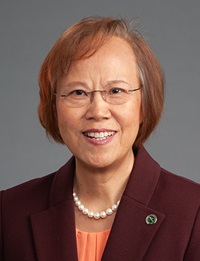
Wake Forest Institute for Regenerative Medicine
Dr. Xiuzhi Susan Sun is a Professor at the Wake Forest Institute for Regenerative Medicine at the Wake Forest University School of Medicine. She has more than 30 years of experience in the design and fabrication of biomaterials derived from natural biopolymers and biomolecules. Her research encompasses environmental, food, and biomedical applications, with a current focus on synthetic peptide hydrogels that mimic the human extracellular matrix. These hydrogels enable advanced 3D cell and organoid culture systems, 3D disease and developmental models, and stem cell–based research. Dr. Sun is a pioneer in 3D hiPSC culture and biomanufacturing, a disruptive technology that supports the self‑organization of physiologically relevant organoids, including hepatic, cerebral, cardiac, and retinal systems. She has authored more than 240 peer‑reviewed journal articles and holds 17 patents. Her work has significantly advanced technology transfer and commercialization, bridging fundamental research and real‑world applications. She is also the founder of PepGel, LLC. Dr. Sun’s achievements have been recognized through her election as a Fellow of the National Academy of Inventors (NAI) in 2018 and a Fellow of the American Society of Agricultural and Biological Engineers (ASABE) in 2016. She has served as a University Distinguished Professor at Kansas State University since 2011. She earned her Ph.D. from the University of Illinois at Urbana–Champaign.
Cellular and Tissue Therapies Branch, FDA
As Chief of the Cellular and Tissue Therapies Branch at the FDA, Dr. Kyung Sung oversees the regulatory review process for a diverse portfolio of cell therapies, tissue products, and medical devices, while also serving as a hands-on reviewer. She directs regulatory science programs that develop novel engineering tools and assays to improve the characterization and manufacturing of these products, directly supporting the FDA's public health mission.
Before joining the FDA in 2015, Dr. Sung was a Biotechnology Patent Examiner at the USPTO. She holds a Ph.D. in Chemical Engineering from the University of Michigan and conducted postdoctoral research at the University of Wisconsin, Madison.
Wake Forest Baptist Health
Josh Tan, MS is the Director of Emerging Technologies for Advocate Health Enterprise Imaging Services. Mr. Tan also is a computer programmer, computer hardware expert, and an imaging informatics specialist. He interfaces with clinicians from various departments as well as research faculty, staff, and students for software/hardware support, and 2D/3D/4D reconstruction, visualization/segmentation, image analysis, and 3D printing. His expertise includes advanced visualization and analysis of medical images, 3D medical modeling/animation, VR/AR/XR, DICOM validation, AI in Radiology, management of large research medical imaging archives, and testing of alpha/beta software and hardware. In addition, he has been creating 3D models of anatomy generated from CT and MRI scans for over 15 years for various departments throughout the Hospital and School of Medicine.
Cellular and Molecular Therapies Branch of the National Heart, Lung and Blood Institute (NHLB), NIH
John Tisdale, MD, is a senior investigator and chief of the Cellular and Molecular Therapeutics Branch of the National Heart, Lung, and Blood Institute (NHLBI) at NIH. Dr. Tisdale’s research focuses on developing curative strategies for sickle cell disease through transplantation of allogeneic or genetically modified autologous hematopoietic stem cells. An elected member to the American Society for Clinical Investigation and recipient of American Society of Hematology's Ernest Beutler Prize, Dr. Tisdale has over 250 publications. He was the Principal Investigator on the gene therapy trial of lovo-cel for SCD that was FDA approved in 2023.
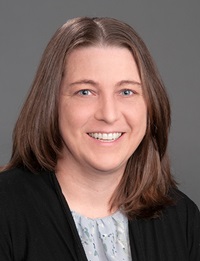
Wake Forest Institute for Regenerative Medicine
Dr. Victoria Weis is currently an Assistant Professor at the Wake Forest Institute for Regenerative Medicine (WFIRM). Dr. Weis is formally trained in gastrointestinal cell biology and pathophysiology and has expertise in disease modeling in gastrointestinal tissues. Following her Bachelor’s Degree in Biology from Washington University in St. Louis, she began her research career as a research technician studying the homeostasis of the stomach epithelium. In 2013, she earned her PhD in Cell and Developmental Biology from Vanderbilt University. Her thesis work focused on disease progression in gastric metaplasia to understand the pathophysiology and identify potential biomarkers. She continued her early postdoctoral studies at Vanderbilt University supported by a competitive T32 training grant. In this work, she investigated the molecular mechanisms of diarrheal disease in the rare pediatric congenital disorder Microvillus Inclusion Disease (MVID). In 2017, Dr. Weis joined WFIRM as a senior research fellow and promoted to a faculty position in 2021. At WFIRM, she is currently investigating a stem cell-based therapy for Necrotizing Enterocolitis, a life-threatening intestinal disease in premature infants. She has recently earned a NIDDK K01 and American Gastroenterological Association Research Scholar Award for this work.
Chief Operations Program Officer, Wake Forest Institute for Regenerative Medicine
Dr. Yoo is a surgeon and researcher. He is currently a faculty member at the Wake Forest Institute for Regenerative Medicine and is cross-appointed to the Department of Urology, Physiology and Pharmacology, and Biomedical Engineering. Dr. Yoo received his Bachelor’s Degree in biology from the University of Illinois in 1984.
Dr. Yoo is a surgeon and researcher. He is currently a faculty member at the Wake Forest Institute for Regenerative Medicine and is cross-appointed to the Department of Urology, Physiology and Pharmacology, and Biomedical Engineering. Dr. Yoo received his Bachelor’s Degree in biology from the University of Illinois in 1984.
Harvard Medical School; Brigham and Women’s Hospital
Dr. Zhang is Associate Professor in the Department of Medicine at Harvard Medical School and Associate Bioengineer in the Division of Engineering in Medicine at the Brigham and Women’s Hospital. Dr. Zhang is directing the Laboratory of Engineered Living Systems (www.shrikezhang.com), where the research is focused on innovating medical engineering technologies, including 3D bioprinting, organs-on-chips, microfluidics, and bioanalysis, to recreate functional tissues and their biomimetic models, for applications in regenerative medicine and personalized medicine. He has ~50,000 citations and an h-index of >110. His scientific contributions have been recognized by >50 international, national, and regional awards.
Associate Professor, University of Texas, Austin
Zoldan’s research focuses on human induced pluripotent stem cells (iPSCs) as a model system to explore key principles underlying tissue formation processes by integrating and applying materials and stem cell bioengineering. Understanding and controlling this process is critical for treating a broad spectrum of pathological conditions, such as diabetes, Parkinson’s disease, hepatic failure and heart failure, as well as alleviating the current shortage of donor tissue necessary for tissue repair and transplant. Zoldan has been recognized as a Children’s Glaucoma Foundation Fellow, an Aly Kaufmann Fellow, and with a Katz Family Award for Outstanding Excellence.
She received her master’s degree and doctorate in materials engineering from Technion–Israel Institute of Technology and her bachelor’s degree in chemistry from Hebrew University.