
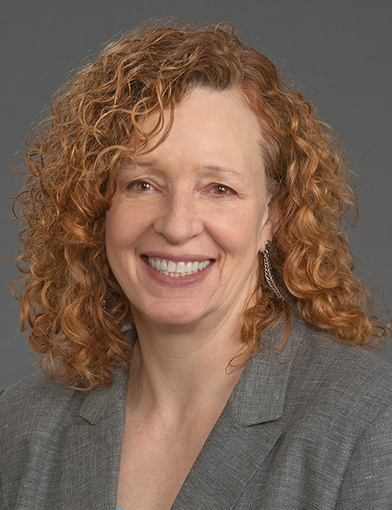
Throughout her life, Laura D. Baker, Ph.D., professor of gerontology and geriatrics and internal medicine at Wake Forest University School of Medicine, has had a profound respect for those who came before her.
Her gratitude toward older adults, combined with a love of sports that grew during childhood as a way to make friends, eventually led to Baker’s perfect role and what she calls the highlight of her career – one of the principal investigators of the Alzheimer’s Association’s U.S. Study to Protect Brain Health through Lifestyle Intervention to Reduce Risk (U.S. POINTER). The results of the groundbreaking clinical trial were published last summer in the Journal of the American Medical Association (JAMA).
 |
“I cannot predict where we’ll be a year from now, but my whole life, everything I’ve done, all my experiences have led me to this place to be PI of POINTER. I feel a deep responsibility to get this right.” - Laura D. Baker, Ph.D. Professor of Gerontology and Geriatrics and Internal Medicine |
The two-year, randomized clinical trial was the first large-scale study to find that simple lifestyle changes can significantly improve cognitive function in older adults at risk for dementia. The interventions focused on physical activity, nutrition, cognitive stimulation, social engagement and heart health monitoring.
For this work and a career rooted in finding solutions for the devastating disorders that can attack the brain as we age, the Alzheimer’s Association Western Carolina Chapter recently awarded Baker with its Award of Excellence, recognizing Baker as “an internationally recognized leader in cognitive aging and lifestyle interventions to protect brain health” at their annual Charlotte Memory Gala.

“The Award of Excellence highlights those going above and beyond to make an impact in the fight against Alzheimer’s and other dementia,” said Christine John-Fuller, executive director of the Alzheimer’s Association chapters in North Carolina. “Dr. Baker’s landmark study provides concrete evidence that proactive lifestyle changes can protect against cognitive decline. This is an exciting era where lifestyle changes have a major impact on the progress of this disease, not just future treatments.”
“I’m so honored by this recognition,” said Baker.
“My whole career has been about trying to find different strategies to slow cognitive decline,” she said. “My people have always been older adults. For many others, they know they want to work with kids. That wasn’t me.
“Our older adults have raised us; they’ve mentored us; they’ve gotten us where we are,” she added. “I wanted to do something to give them a stronger voice in a society that often doesn’t listen.”
Diseases affecting older adults don’t get the same attention as others, Baker said, which is partly why she’s dedicated her work to examining conditions affecting cognitive function.
“People work hard their whole lives and then boom, this disease hits often as they near retirement. And for some, cognitive decline can come young, when they still have so much life to live,” she said. “It’s devastating.”
Baker’s interest in helping older adults started to build at a young age. Both of her parents’ parents died young and Baker’s mother was raised by her grandparents, which she suspects is why she was instilled with respect for her elders early on. These older relatives were a steady presence in Baker’s life and helped shape her early appreciation for the resilience, perspective and wisdom that can come with age.
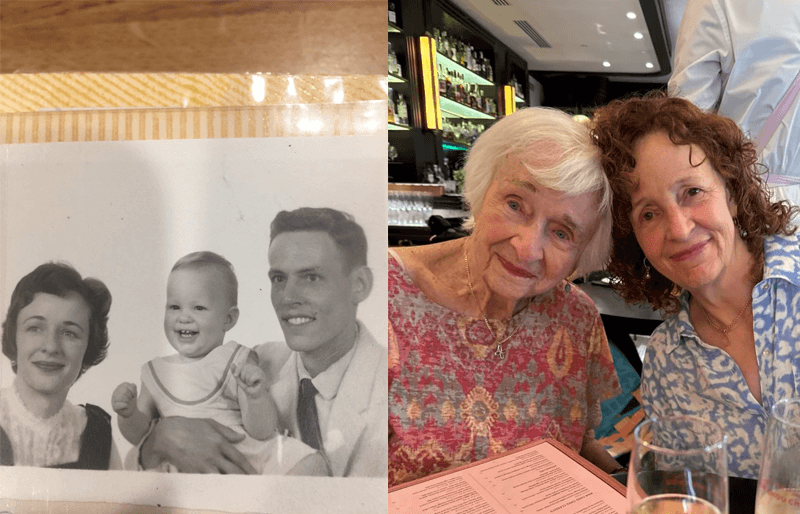
Additionally, Baker’s father developed dementia two years ago in the final months of his life before he died. She gained a new understanding of loved ones of those affected by dementia, she said, and it continues to inspire her work.
Baker said she has always had a passion for exercise and remembers seeking out different sports to try. As a child, Baker moved around a lot with her family, living in multiple cities across the United States, in Canada and Hong Kong.
Every school year, she’d have to make new friends and soon realized, “when I play sports, the difficulty of making friends just went away. That was my solution.”
She swam, ran track, played basketball, badminton and “broom ball” (like hockey but with shoes and a broom, she said). Baker even went on to play basketball at the University of Texas at Austin and Rice University.

Baker still makes sure sports are a part of her life through skiing and biking and is an advocate for a healthy lifestyle. “Any kind of sport my older body will tolerate, I’ll try it. I’m not competitive now but I like how it makes me feel. I’m honoring my machinery. This body we were given is amazing.”
It’s part of what drew her to U.S. POINTER trial and why she’s so excited about its results.
“We’ve shown we can make a positive impact through lifestyle changes,” she said. “This gives us power to help those at risk for cognitive decline to do something about it.
“Our study taught us that getting regular physical exercise, eating a healthier diet, intellectually challenging yourself, staying connected with people, and knowing your health numbers (like blood pressure and blood sugar) allow older adults to take ownership of their body and brain health,” she added.

“Even if you don’t have risk factors for cognitive decline, these lifestyle changes can be beneficial for overall health and quality of life.”
Baker is also thrilled that the trial provides guidance for those concerned about brain health using change in behavior, not a drug. “These are real changes anyone can make, but it’s not a quick fix – it takes time to form new habits. It’s a healthy lifestyle that we have shown helps.”
As for what’s next for the U.S. POINTER work, Baker said it’s about implementation, using the trial results and what we’ve learned to integrate the intervention into standard of care for patients. For Advocate Health, there are several new projects examining the best way to implement the intervention and provide the necessary tools for providers, Baker said. Other health systems across the country are involved in similar work.
“I cannot predict where we’ll be a year from now, but my whole life, everything I’ve done, all my experiences have led me to this place to be PI of POINTER," said Baker. "I feel a deep responsibility to get this right.”